Assessing Device Compatibility Factors Shaping Retention Metrics in Premium Digital Wagering Applications
Written by Kai Werner · Aug 5, 2026
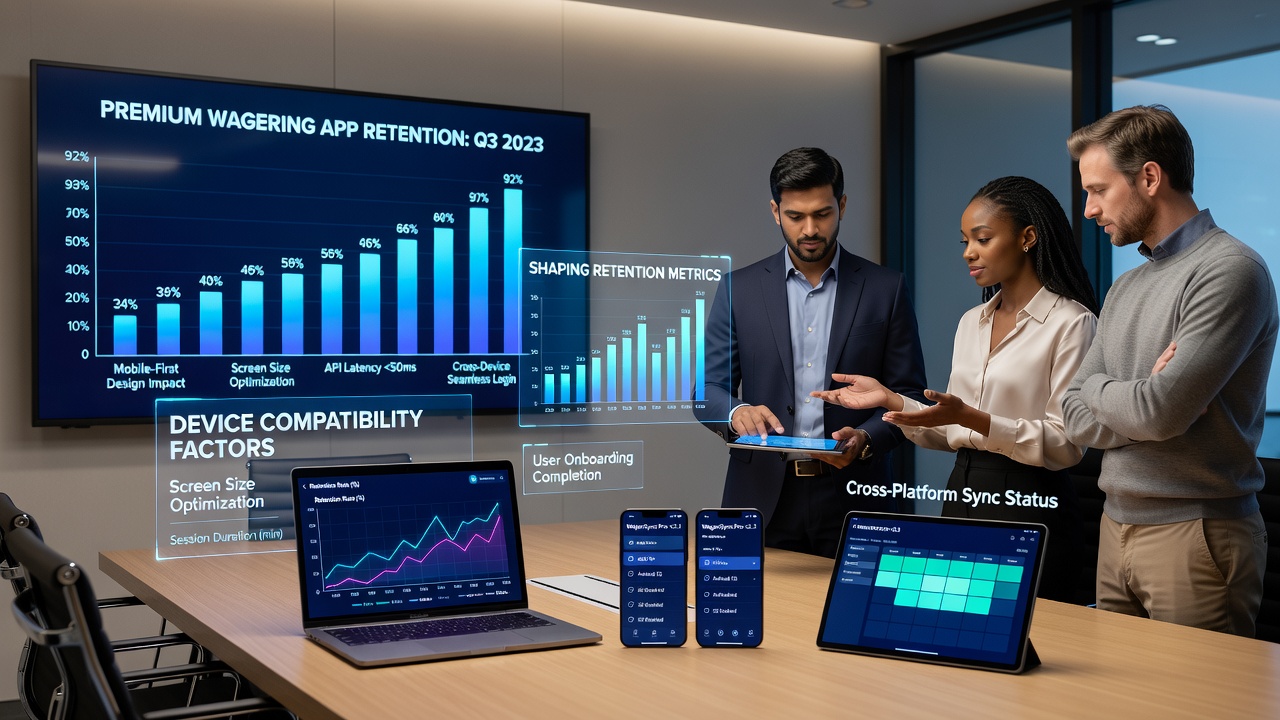
Assessing Device Compatibility Factors Shaping Retention Metrics in Premium Digital Wagering Applications
Device compatibility stands as a core element in how premium digital wagering applications maintain user engagement over time, and operators track retention metrics closely because small differences in performance across hardware can shift player behavior noticeably. Research from industry analysts shows that applications optimized for a wide range of operating systems and screen sizes tend to hold users longer, while those limited to newer flagship devices see higher dropout rates within the first month of activity.
Operating System Support and Version Compatibility
Premium wagering platforms must balance updates for the latest iOS and Android releases against continued support for older versions still common among many users. Data from mobile analytics firms indicates that applications dropping support for versions older than two years experience measurable declines in session length, particularly in regions where device upgrade cycles stretch beyond typical patterns. Observers note that users on legacy systems often encounter loading delays or feature restrictions that prompt them to switch to competitors with broader compatibility, and this pattern appears consistently in quarterly performance reports.
Screen Size, Resolution, and Interface Adaptation
Screen dimensions and pixel density create another layer of complexity because wagering interfaces rely on precise touch targets and clear display of odds or game elements. Applications that use responsive design frameworks report stronger retention figures according to aggregated user behavior studies, whereas rigid layouts on tablets or smaller phones lead to navigation friction that reduces repeat visits. Those who've examined session heatmaps find that players on mid-range devices with non-standard aspect ratios spend less time exploring game libraries when scaling issues distort buttons or menus, and this effect compounds during live dealer sessions where timing matters.
Hardware Performance and Resource Demands
Processor speed, RAM allocation, and graphics capabilities directly influence how smoothly high-definition graphics and real-time features run on premium applications. Studies tracking retention across device tiers reveal that users with devices meeting or exceeding recommended specifications maintain accounts longer, while those on lower-end hardware encounter frame drops or battery drain that correlates with uninstall rates. Researchers discovered that memory optimization techniques, such as dynamic asset loading, help bridge gaps between device classes and keep engagement steady even during extended play periods. What's interesting is that these adjustments show measurable impact within weeks of implementation, as evidenced by A/B testing conducted by several major platforms in early 2026.

Cross-Platform Synchronization and Data Integrity
Players frequently move between phones, tablets, and desktop environments, so applications that preserve account state, bonuses, and game progress across devices see improved long-term metrics. Reports compiled by gaming associations highlight that synchronization failures, often tied to compatibility mismatches between ecosystems, trigger account abandonment at rates higher than those caused by promotional shortfalls alone. And this holds true particularly in markets where multi-device usage exceeds single-device patterns, according to usage logs shared during industry conferences held through mid-2026.
Regional Trends and August 2026 Developments
August 2026 brought fresh regulatory filings from several North American jurisdictions that included device performance benchmarks alongside revenue data, underscoring how compatibility influences market share in competitive environments. Figures from the Nevada Gaming Control Board illustrate that operators publishing device-specific retention breakdowns tend to adjust their development roadmaps faster, resulting in steadier user bases. Meanwhile, similar analyses released by the Australian Gambling Research Centre point to comparable outcomes in the Asia-Pacific region, where device diversity creates additional testing demands for international platforms.
Conclusion
Compatibility factors ranging from operating system versions to hardware capabilities continue to shape retention outcomes in premium digital wagering applications, and operators who monitor these elements through detailed metrics gain clearer pictures of where user friction originates. Evidence gathered across multiple markets demonstrates that systematic testing and adaptive design contribute to sustained engagement, while gaps in support lead to measurable churn. As device ecosystems evolve, ongoing assessment of these variables remains essential for maintaining competitive positioning in the sector.