Behavioral Triggers Behind Extended Sessions at Virtual Reel Games Across Global Networks
Written by Theo Koch · Jun 19, 2026
Behavioral Triggers Behind Extended Sessions at Virtual Reel Games Across Global Networks
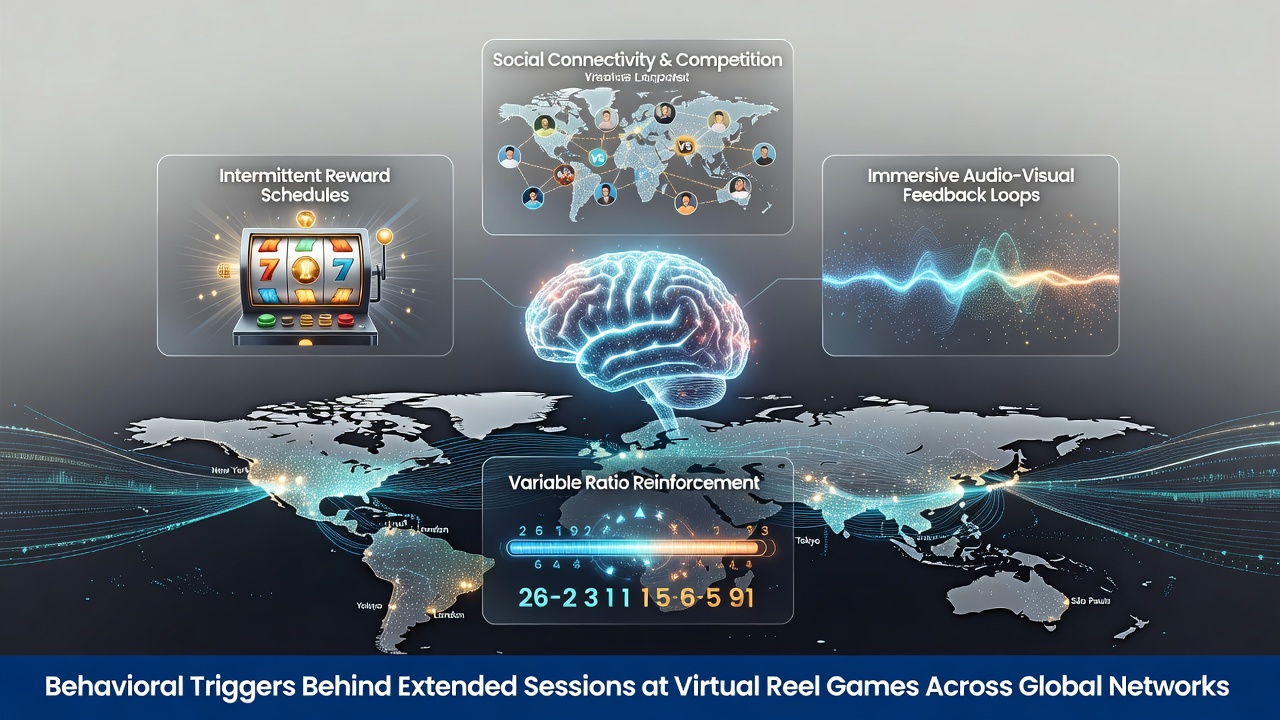
Virtual reel games on global networks keep players engaged through carefully engineered behavioral triggers that combine psychological principles with digital design. These mechanisms operate across platforms in multiple jurisdictions and influence session lengths without relying on any single factor.
Reinforcement Schedules and Near-Miss Effects
Slot-style reel games rely on variable ratio reinforcement where wins occur unpredictably yet frequently enough to maintain activity. Research from the Canadian Centre on Substance Use and Addiction shows this schedule produces longer play periods compared with fixed reward systems because anticipation builds between outcomes. Near-miss events, where symbols align just short of a payout, activate similar brain responses to actual wins and encourage continued spins.
Developers adjust reel mapping and symbol weighting so near-misses appear regularly while remaining mathematically consistent with overall return rates. Players encounter these patterns repeatedly across networks, creating a feedback loop that sustains engagement even when net losses accumulate.
Visual and Auditory Design Elements
Color palettes, flashing animations, and escalating sound effects mark wins and bonus triggers. These cues pair with escalating tempo during bonus rounds to heighten arousal. Global networks standardize certain audio-visual assets across titles so users encounter familiar signals regardless of specific game provider.
Interface elements such as progress meters and accumulating win counters further direct attention toward continued play. Data collected from major platforms indicate that sessions featuring dynamic lighting changes and layered soundtracks extend average duration by measurable margins compared with static presentations.
Personalization Through Algorithmic Recommendations
Recommendation engines track individual spin history, preferred volatility levels, and time-of-day patterns to surface titles likely to retain attention. As of June 2026 several networks updated their systems to incorporate real-time session metrics that adjust suggested games mid-play. This personalization reduces friction when switching titles and keeps users inside the same ecosystem for extended periods.
Studies conducted by university research groups in Australia and Singapore document how tailored bonus offers timed to user behavior correlate with increased session length. The algorithms prioritize games that match demonstrated preferences while occasionally introducing new options to prevent habituation.
Loyalty Structures and Progress Tracking
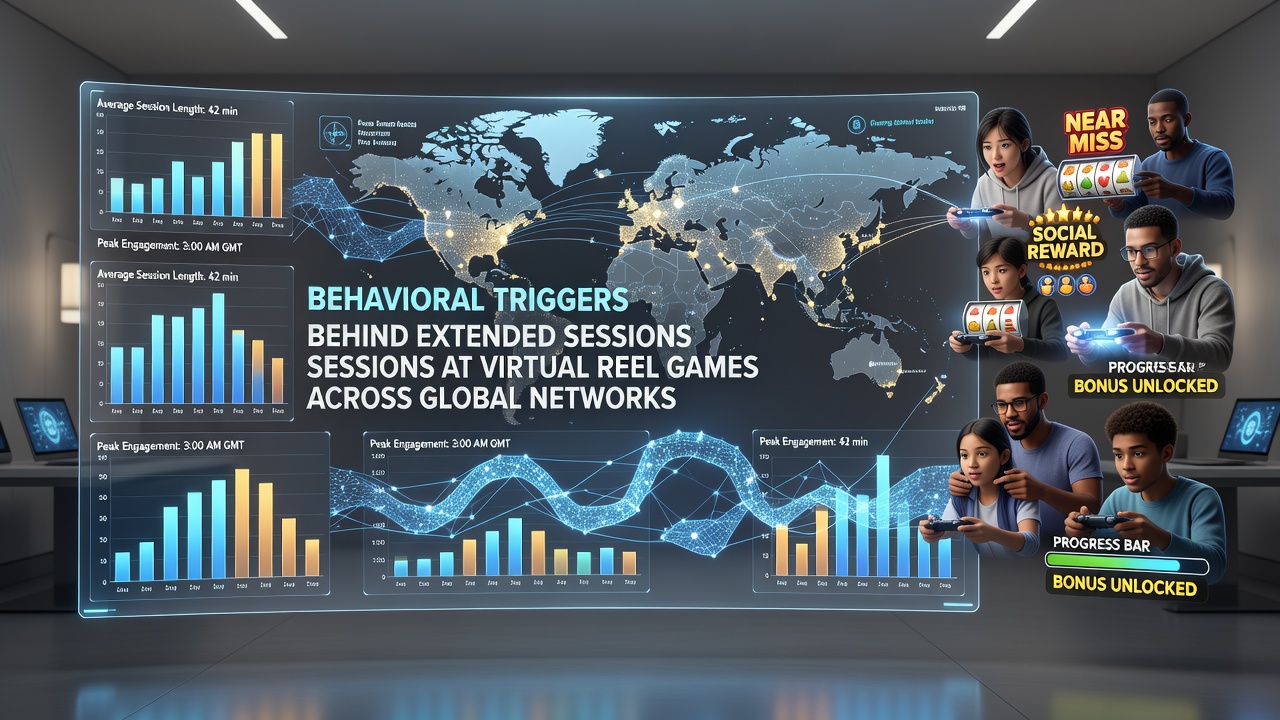
Tiered loyalty programs award points for consecutive spins and time spent, with visible progress bars that reset or advance based on activity. These systems create artificial endpoints that players pursue before logging off. Cross-network agreements allow point accumulation across affiliated sites, expanding the perceived value of remaining active.
Daily login rewards and streak multipliers further encourage return visits within short windows. Observers note that networks releasing updated loyalty mechanics in early 2026 recorded higher average session counts in subsequent months.
Social Features and Network Effects
Leaderboards, shared jackpots, and chat functions embed social comparison into individual play. Players see peers advancing through the same progression systems, which can prompt additional spins to maintain relative standing. Global networks integrate these elements across regions while respecting local regulatory boundaries on real-time interaction.
Community events tied to reel games, such as limited-time tournaments, generate concentrated activity spikes. Figures from industry reports reveal that sessions overlapping with social challenges last longer than solitary play periods on the same titles.
Cross-Border Platform Dynamics
Players frequently move between networks through affiliate links or shared accounts, carrying learned behaviors from one environment to another. Unified payment and bonus ecosystems reduce the effort required to continue play elsewhere. Regulatory filings in multiple jurisdictions show consistent patterns of extended sessions when users access familiar mechanics on new platforms.
Conclusion
Behavioral triggers in virtual reel games emerge from the interaction of reinforcement psychology, sensory design, algorithmic curation, loyalty mechanics, and social connectivity. Global networks refine these elements continuously, producing measurable effects on session duration across diverse player populations. Data from regulatory and academic sources continue to track how these systems evolve while remaining subject to jurisdiction-specific oversight.