Examining Synchronization of Promotional Calendars Across Competing Gambling Platforms and Its Effects on User Migration Patterns
Written by Theo Koch · Jun 21, 2026
Examining Synchronization of Promotional Calendars Across Competing Gambling Platforms and Its Effects on User Migration Patterns
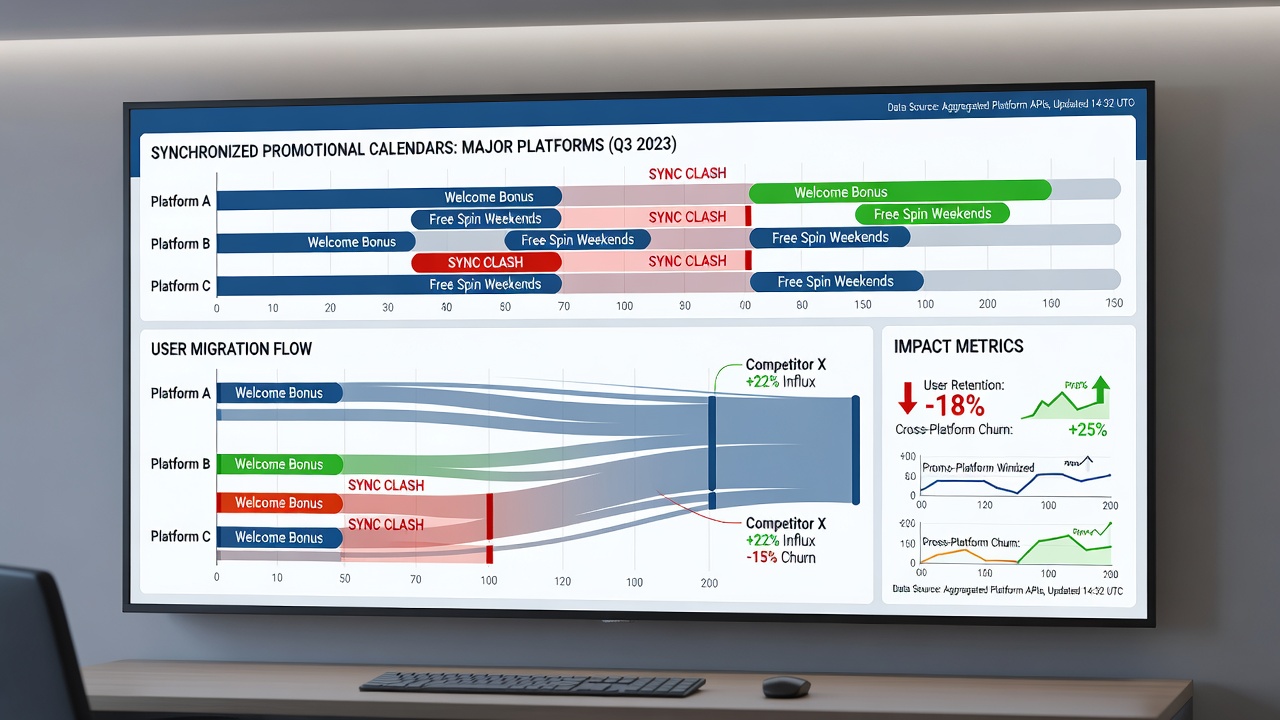
Competing gambling platforms have increasingly aligned their promotional calendars in recent years, creating synchronized cycles of bonuses, tournaments, and seasonal offers that shape how users move between sites. This coordination often emerges when operators monitor rival marketing schedules and adjust their own timelines to match peak periods, which in turn influences migration flows as players seek overlapping or superior incentives.
How Platforms Align Promotional Timelines
Operators track competitor campaigns through industry reports and public data feeds, then schedule matching events such as deposit matches or free spin rounds during the same weeks. Research from the American Gaming Association shows that major platforms released summer bonus series within days of each other in 2025, a pattern that continued into the following year. During June 2026 several leading sites launched parallel reload offers timed to coincide with major sports events, resulting in simultaneous traffic spikes across multiple domains.
These alignments reduce differentiation in the short term yet allow platforms to capture attention during high-traffic windows. Data collected by the European Gaming and Betting Association indicates that synchronized promotions can increase overall session volume by 12 to 18 percent across participating operators, though individual site retention varies depending on offer depth and terms.
Observed Migration Patterns Among Users
Users frequently shift accounts when one platform's promotion concludes and another's begins, a behavior documented in transaction logs from payment processors serving multiple operators. Analysts note that players often complete required wagering on one site before transferring balances to a rival running an active campaign, producing measurable spikes in withdrawal and deposit activity at calendar transition points.
Studies tracking account activity across networks reveal that migration clusters around the end of monthly bonus cycles. One analysis of anonymized player data found that nearly 30 percent of active accounts initiated transfers within 48 hours of a major promotion's expiration on their primary platform. This movement accelerates when competing sites advertise identical bonus structures, giving users little reason to remain loyal to a single operator.

Regional Variations in Calendar Coordination
Coordination intensity differs by market. North American platforms tend to synchronize around sports seasons and holiday periods, while European operators align more closely with regulatory reporting deadlines and seasonal tourism peaks. Australian operators, operating under stricter advertising rules, show tighter clustering around permitted promotional windows, according to records from the Australian Communications and Media Authority.
These regional differences produce distinct migration corridors. Players in multi-jurisdiction markets often route activity through sites whose calendars best match their preferred bonus types, creating predictable traffic patterns that affiliate networks and payment gateways have begun to map systematically.
Impact on Platform Strategies
Platforms respond to observed migration by introducing loyalty mechanics that span calendar cycles, such as tiered rewards earned across multiple promotions. Observers note that operators sharing common payment rails sometimes coordinate bonus release dates indirectly through shared vendor calendars, though formal collusion remains rare and heavily regulated.
Industry reports from the Canadian Gaming Association highlight that sites investing in cross-platform tracking tools detect migration earlier and adjust subsequent offers to recapture departing users. This reactive approach has led to shorter, more frequent promotional bursts designed to interrupt user movement mid-cycle.
Conclusion
Synchronization of promotional calendars across competing platforms continues to drive measurable shifts in user behavior, with migration patterns tied closely to the timing and structure of aligned offers. Data from regulatory bodies and industry associations demonstrate consistent correlations between calendar overlap and account transfers, particularly during high-visibility periods such as June 2026 sports events. As platforms refine their scheduling tactics, migration flows are expected to follow the same synchronized rhythms that shape the broader promotional landscape.