Exploring Integration Strategies of Interactive Dealer Experiences with Standard Reel-Based Offerings in Virtual Gaming Hubs
Written by Theo Koch · May 31, 2026
Exploring Integration Strategies of Interactive Dealer Experiences with Standard Reel-Based Offerings in Virtual Gaming Hubs
Virtual gaming hubs continue to evolve their offerings as operators seek ways to combine interactive dealer experiences with traditional reel-based games, creating unified environments where players move between formats without leaving the platform. Research from the UNLV International Gaming Institute shows that hybrid integration models have gained traction in multiple jurisdictions since 2024, with data indicating increased session durations when live elements appear alongside automated reels.
Hybrid Lobby Designs and Transition Mechanics
Operators implement shared lobby structures that place live dealer streams next to slot carousels, allowing users to switch between an interactive blackjack table and a high-volatility reel game through single-click navigation. These designs rely on API connections that sync player accounts, balances, and progress across both categories, reducing friction during format changes. Figures from the Ontario Lottery and Gaming Corporation reveal that platforms adopting synchronized wallets recorded a 27 percent rise in cross-format play during the first quarter of 2026.
Developers further refine these transitions by embedding mini live segments within slot interfaces, such as a dealer-hosted bonus round triggered after a reel sequence. This approach keeps users engaged with human interaction while preserving the rapid spin cycles typical of reel offerings, and testing in regulated markets indicates measurable retention gains when these features activate at consistent intervals.
Technological Frameworks Supporting Unified Play
Backend systems combine streaming protocols with reel engines through modular architectures that support real-time data exchange between dealer stations and slot servers. Cloud-based rendering handles multiple video feeds while maintaining low latency for reel animations, enabling simultaneous display of both elements on a single screen. Industry reports note that such frameworks became more common after May 2026 updates to mobile SDKs, which standardized integration pathways across different device types.
Security layers authenticate each component separately yet share session tokens, preventing disruptions when players move from automated reels to dealer tables. Observers note that this dual-verification method aligns with compliance requirements in several North American and European markets, where regulators track transaction flows across mixed game types.
Player Segmentation and Personalization Tactics
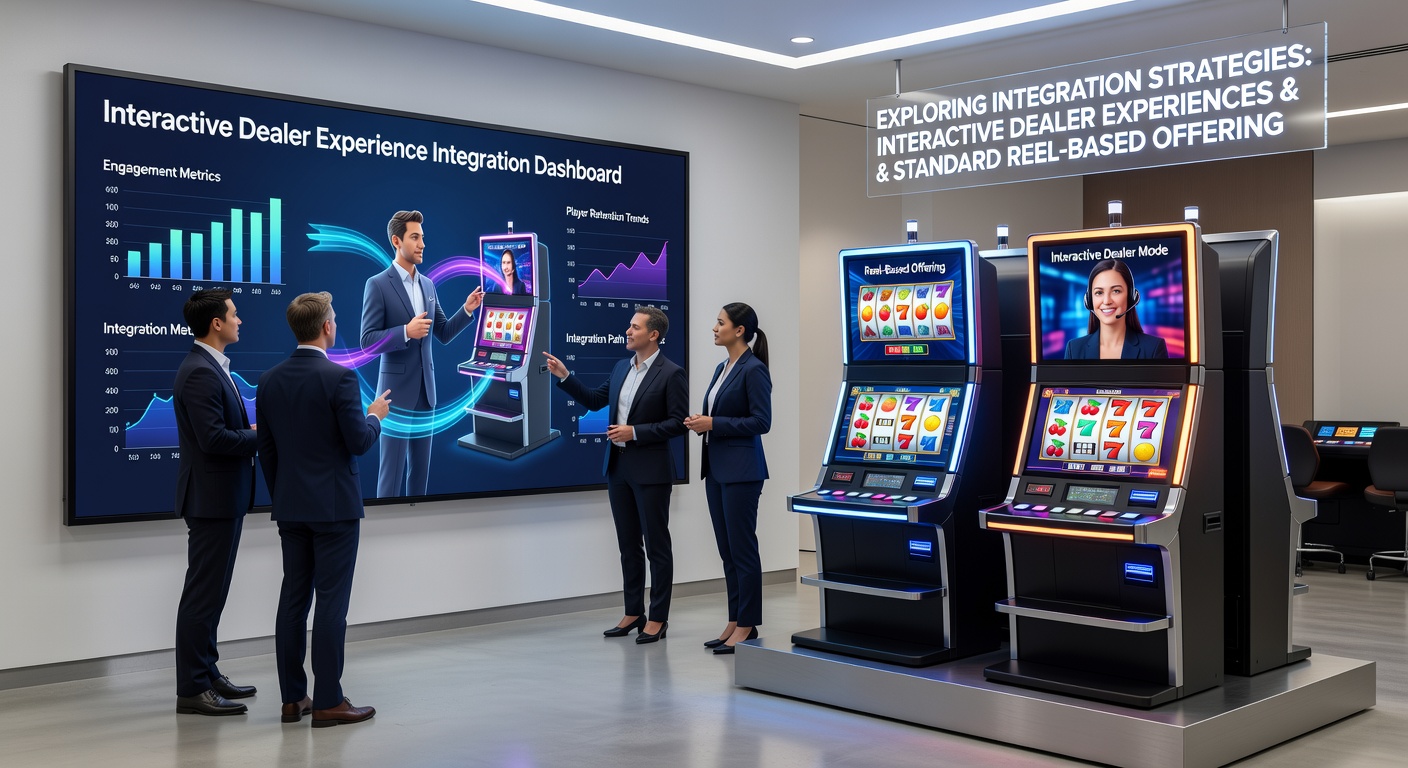
Platforms apply behavioral analytics to determine which users prefer dealer-led rounds versus rapid reel spins, then surface tailored recommendations that blend both formats. Algorithms track time spent in each category and adjust lobby layouts accordingly, presenting live tables to those who engage with chat features while prioritizing reel carousels for players who favor quick cycles. Data compiled by regional gaming associations shows that segmented interfaces correlate with higher return visit rates in mid-2026 deployments.
Personalization extends to bonus structures as well, where rewards earned on reels convert into live dealer credits or vice versa. These mechanics encourage exploration across categories without requiring separate deposits, and case studies from integrated hubs demonstrate steady increases in average bet sizes when cross-format incentives activate.
Regulatory Considerations Across Jurisdictions
Compliance teams address varying rules by maintaining separate audit trails for interactive and automated components while ensuring unified reporting meets each authority's standards. In markets where live dealer activities fall under stricter oversight than reel games, operators isolate streaming data yet merge financial records for comprehensive submissions. Recent guidance issued in several Canadian provinces emphasizes transparent labeling of hybrid games so participants understand which elements involve real-time dealers.
Testing protocols verify that integration does not compromise fairness metrics for either game type, with independent labs examining both random number generators and dealer shuffle procedures. These checks have become routine following expanded licensing rounds that concluded in early 2026.
Conclusion
Integration strategies continue to develop as virtual gaming hubs refine connections between interactive dealer experiences and reel-based offerings through shared lobbies, synchronized systems, and segmented personalization. Reports from multiple regulatory bodies and research institutions document measurable shifts in player behavior when these elements operate together, with ongoing adjustments expected as technology and compliance frameworks advance.