How Payment Choices Unlock Hidden Game Variants Across Digital Platforms
Written by Theo Koch · Aug 21, 2026
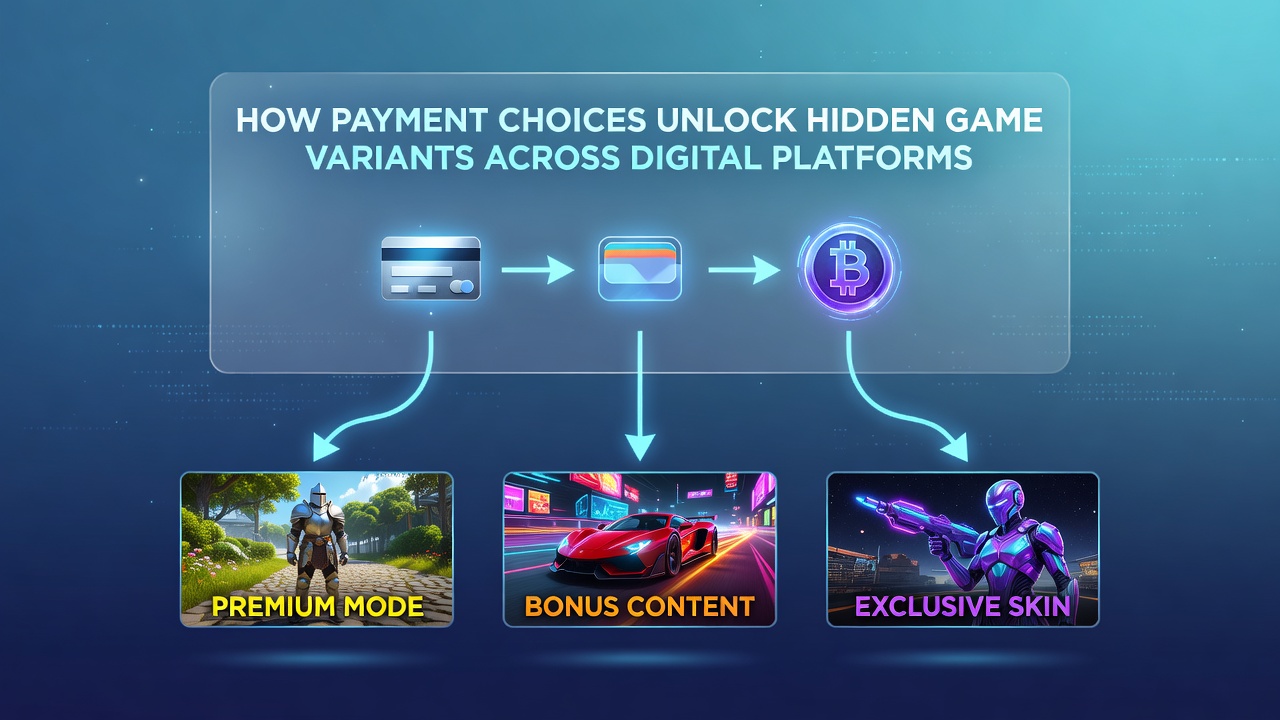
How Payment Choices Unlock Hidden Game Variants Across Digital Platforms
Payment selections in digital gaming environments often determine which game variants become available to users, since platform operators tie access rules to transaction types through regulatory compliance frameworks and provider agreements. Data from industry monitoring services shows that certain payment rails trigger exclusive content libraries, while others restrict users to standard offerings based on processing speeds, verification protocols, and jurisdictional licensing requirements.
Payment Rails and Variant Access Mechanisms
Operators structure their game catalogs so that credit card deposits typically surface mainstream reel and table options, whereas e-wallet and prepaid voucher routes frequently activate specialized progressive or multiplier variants that carry distinct return-to-player configurations. Researchers tracking platform databases have noted that these differences arise because payment processors impose distinct fee structures and risk profiles, which in turn influence the commercial arrangements between game studios and site administrators. Those who monitor user behavior patterns across multiple jurisdictions observe that players switching between methods during a single session encounter new game sets that were previously filtered from their view.
Cryptocurrency Options and Blockchain-Linked Variants
Platforms accepting cryptocurrency deposits commonly surface provably fair and smart-contract-based variants that rely on transparent ledger verification for outcome confirmation. These versions often feature adjustable volatility parameters and community-governed prize pools unavailable through conventional banking channels. Figures released in August 2026 by North American analytics firms indicated a measurable uptick in such variants coinciding with expanded crypto integration on licensed sites operating in multiple provinces. Observers note that the technical requirements for on-chain auditing create a natural barrier that only crypto-enabled accounts can cross, thereby segmenting the available game pool along payment lines.
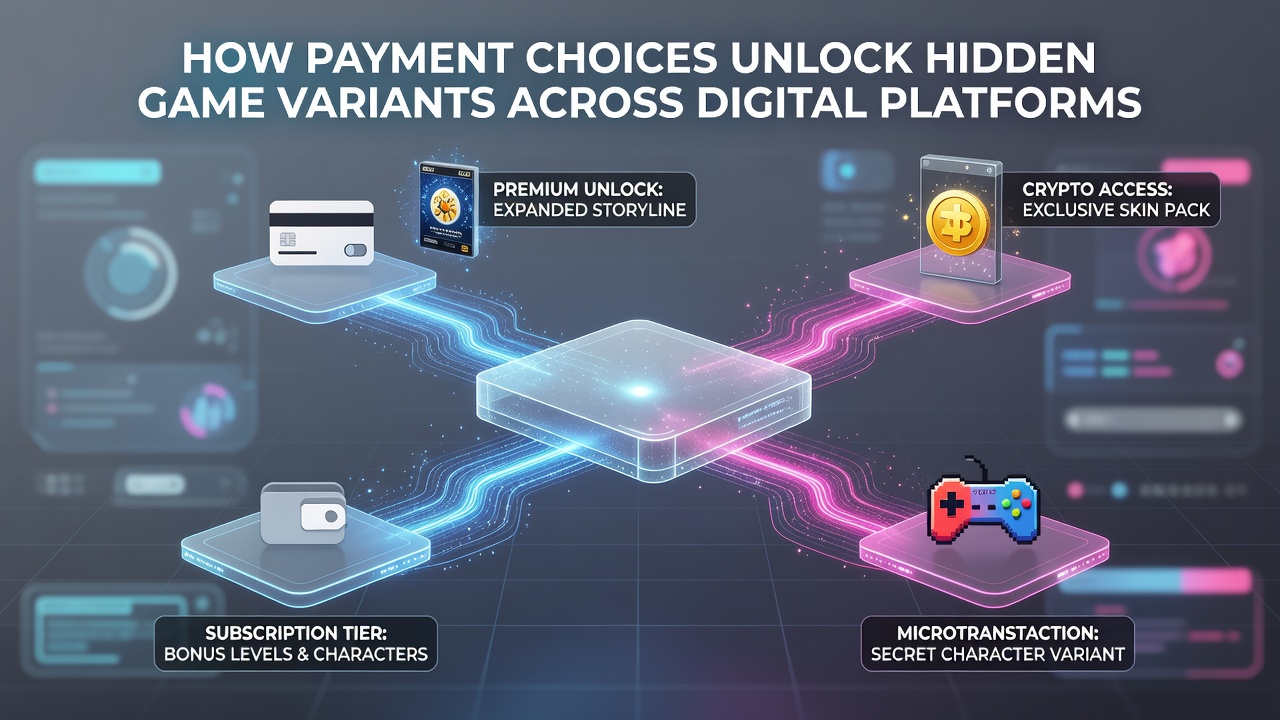
Regional Licensing and Cross-Border Payment Effects
Licensing authorities in different territories impose rules that link approved payment methods to specific game certifications, which means a user in one location may unlock titles unavailable to someone using the same platform from another region. Canadian provincial regulators, for instance, have documented how certain Interac-based transactions activate localized progressive networks tied to domestic operators, while international wire options route players toward globally pooled variants. Similar patterns appear in Australian market reports, where the American Gaming Association cross-referenced data with local operators to illustrate how bank transfer preferences surface unique tournament formats. These variations stem from tax treatment differences and consumer protection mandates that payment processors must satisfy before games receive final approval.
E-Wallet Tiers and Mobile-Specific Releases
Mobile-first platforms frequently reserve instant-withdrawal e-wallet tiers for accelerated access to time-limited or event-driven variants that update daily or weekly. Users completing verification through services such as digital wallets encounter bonus rounds and side-game mechanics that remain hidden behind slower settlement methods. Industry tracking services have recorded that these tiered releases create measurable shifts in play volume, with higher-velocity payment users engaging more frequently with newly introduced mechanics. Platform logs analyzed by academic research groups reveal consistent correlations between settlement speed and the breadth of selectable game parameters.
Practical Examples Across Operating Systems
One documented case involved a multi-jurisdictional aggregator that introduced a crypto-only progressive jackpot network in early 2026, accessible solely after an initial blockchain deposit cleared its verification step. Players using traditional cards on the same interface saw only the base jackpot pool until they added an alternative funding source. Another instance tracked by monitoring tools showed that prepaid voucher redemptions on certain European-facing sites unlocked reel variants with modified reel structures and symbol distributions that standard card-funded accounts could not reach. These examples demonstrate how backend tagging systems categorize accounts by payment origin and apply corresponding content filters without requiring separate logins or downloads.
Conclusion
Payment method selection therefore functions as a key that opens distinct segments of digital game libraries, shaped by regulatory, technical, and commercial factors that operators implement at scale. As platforms continue to refine these linkages through updated compliance tools and processor partnerships, the range of variants tied to specific rails is expected to expand further in coming periods.