How Regional Licensing Shifts Redirect Player Traffic Through Layered Bonus Ecosystems in Mobile Gambling Networks
Written by Kai Krüger · Jul 19, 2026
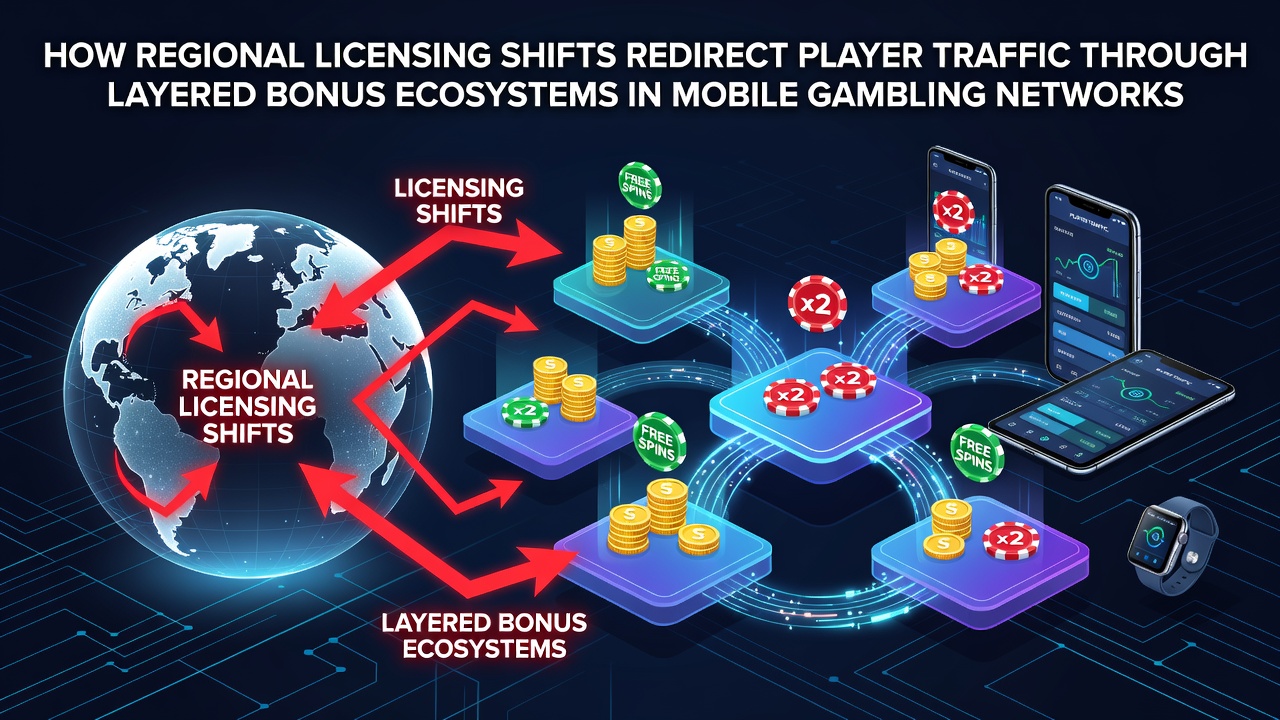
How Regional Licensing Shifts Redirect Player Traffic Through Layered Bonus Ecosystems in Mobile Gambling Networks
Regional licensing adjustments continue to influence player movement within mobile gambling ecosystems, and operators respond by adjusting bonus layers to retain or attract users across borders. Data from industry reports shows that when a jurisdiction tightens or relaxes entry requirements, traffic patterns shift as players seek platforms that maintain favorable terms under new rules. These movements often follow predictable routes where bonus structures act as incentives that guide users from one network to another without requiring direct marketing pushes.
Licensing Changes Create New Pathways
Observers note that licensing modifications in key markets prompt immediate adjustments in how mobile networks structure their promotions. For instance, when one region imposes stricter compliance on bonus wagering, operators in adjacent areas introduce multi-tier reward systems that reward continued play across several games. Players who once stayed within a single licensed environment now migrate toward networks that synchronize bonuses across multiple jurisdictions, creating layered ecosystems where initial deposits unlock progressive rewards tied to different regional rules.
According to figures from the Nevada Gaming Control Board, mobile gambling volumes in certain corridors increased by double digits following licensing updates in neighboring states during early 2025. Those shifts coincided with operators deploying bonus stacks that combined welcome offers, loyalty multipliers, and cross-game incentives, all calibrated to regional legal frameworks. The result appears as redirected traffic rather than outright growth, as users follow the incentives that align with their preferred play styles.
Layered Bonus Mechanics in Action
Layered bonus ecosystems function through sequential reward triggers that activate based on player location signals and network participation. A typical structure begins with a regional welcome package, then layers in time-sensitive multipliers that only apply when users engage with games licensed under specific authorities. Mobile platforms track these interactions through geolocation data, allowing the system to unlock deeper tiers as players complete requirements tied to different regulatory zones.
What's interesting is how these layers redirect traffic without overt promotion. A user starting on a platform compliant with one set of rules receives prompts to explore partner networks in newly licensed areas, where additional bonus levels become available. Research indicates this pattern accelerates during periods of regulatory transition, with traffic spikes occurring within weeks of announced changes. In July 2026, several mobile networks plan to activate synchronized bonus events tied to expanded licensing in emerging markets, which analysts expect will further channel players toward those environments.
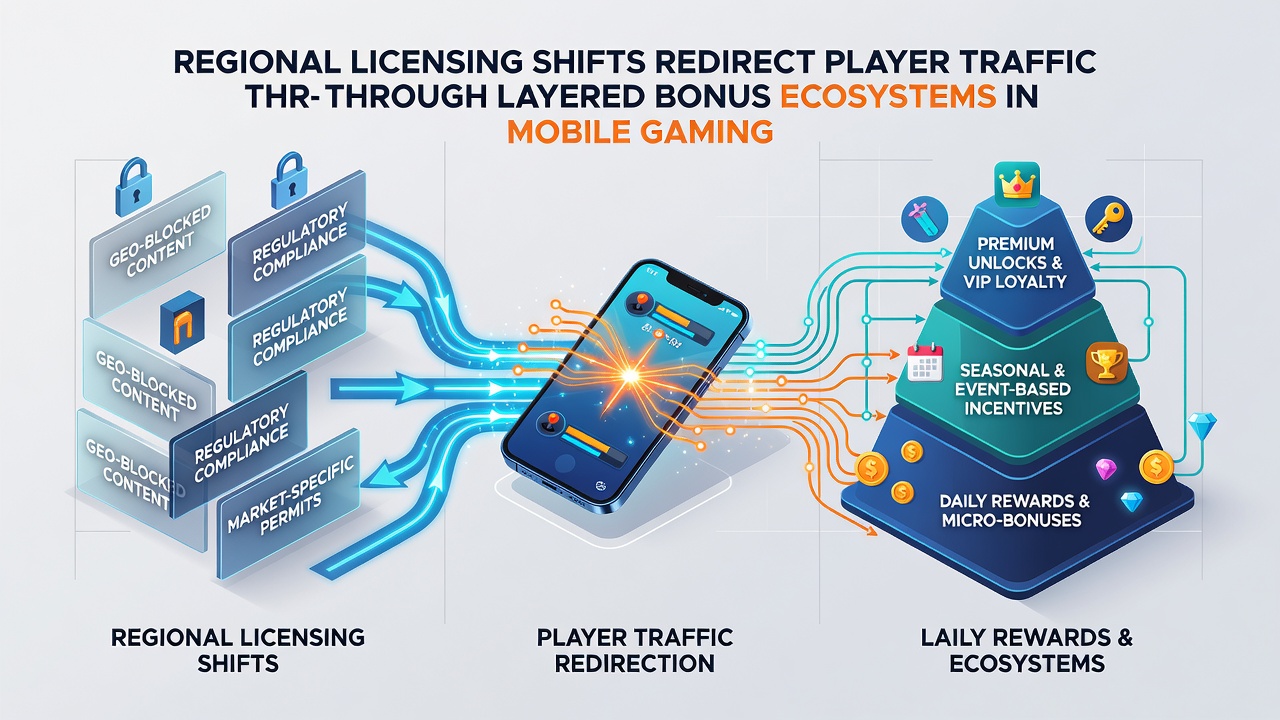
Network-Level Traffic Redirection Patterns
Mobile gambling networks operate interconnected systems where bonus ecosystems serve as the primary mechanism for managing player distribution. When one region's licensing framework changes, operators recalibrate the bonus parameters across linked platforms to balance load and maintain engagement. This creates visible corridors of movement, with users transitioning from saturated markets to those offering fresher incentive structures.
Studies from the University of Nevada, Las Vegas gaming research center reveal that bonus synchronization across borders accounts for measurable portions of cross-network activity. Players respond to progressive reward ladders that span multiple licenses, moving fluidly as they exhaust one layer and unlock the next. These patterns hold steady even when direct advertising remains restricted, demonstrating how the ecosystem itself steers traffic based on regulatory geography.
Emerging Market Responses and Synchronization
Operators in newer licensing jurisdictions often mirror successful bonus models from established regions while introducing variations that attract overflow traffic. This mirroring occurs rapidly after regulatory announcements, with mobile platforms deploying updated reward structures within days or weeks. The synchronization reduces friction for players who already understand the base mechanics, allowing them to transition without relearning new systems.
Reports compiled by teh Australian Communications and Media Authority highlight similar dynamics in Asia-Pacific markets, where licensing expansions prompted bonus layering that pulled users from more restrictive environments. Those movements followed established pathways, with traffic concentrating around networks that maintained consistent reward progression across the shifting regulatory landscape. Data shows these adjustments sustain activity levels even as individual regional volumes fluctuate.
Conclusion
Regional licensing shifts continue to function as catalysts for traffic redirection through the layered bonus systems embedded in mobile gambling networks. As operators refine these ecosystems in response to regulatory updates, player movement follows the incentive gradients that connect different jurisdictions. The patterns observed through 2025 and into mid-2026 indicate that bonus synchronization will remain a central factor in how networks manage and distribute activity across evolving legal boundaries.