How Transaction Verification Times Influence Participation Rates in Live-Streamed Casino Table Activities Across Multiple Device Formats
Written by Gisela Neumann · Aug 19, 2026
How Transaction Verification Times Influence Participation Rates in Live-Streamed Casino Table Activities Across Multiple Device Formats
Live-streamed casino table activities connect players to real dealers through video feeds while bets occur via digital platforms, and transaction verification times determine how quickly users can enter or exit these sessions. Data from multiple markets shows that delays in confirming deposits or withdrawals correlate with shifts in participation numbers, particularly when players switch between smartphones, tablets, and desktop computers. In August 2026 industry reports highlighted ongoing adjustments in verification protocols as operators responded to device-specific usage patterns.
Core Mechanics of Live-Streamed Table Games
Operators broadcast table games such as blackjack and roulette from physical studios or casino floors, allowing remote participants to place wagers through integrated software. Verification processes authenticate payment methods before bets register, and the duration of this step varies by provider, payment type, and device operating system. Research from regulatory bodies in Nevada and New Jersey indicates that average verification windows range from under ten seconds on optimized mobile apps to over two minutes on certain desktop browsers when additional security layers activate.
Participation rates track active user sessions during peak hours, and figures reveal that shorter verification intervals sustain higher concurrent player counts across live tables. When verification stretches beyond one minute, session abandonment increases measurably, especially among users on mobile networks where connection stability fluctuates. Studies conducted by the Canadian Centre for Gaming Research document a 17 percent drop in average session length when verification exceeded 45 seconds on cellular connections compared with Wi-Fi equivalents.
Device Format Variations in Verification Impact
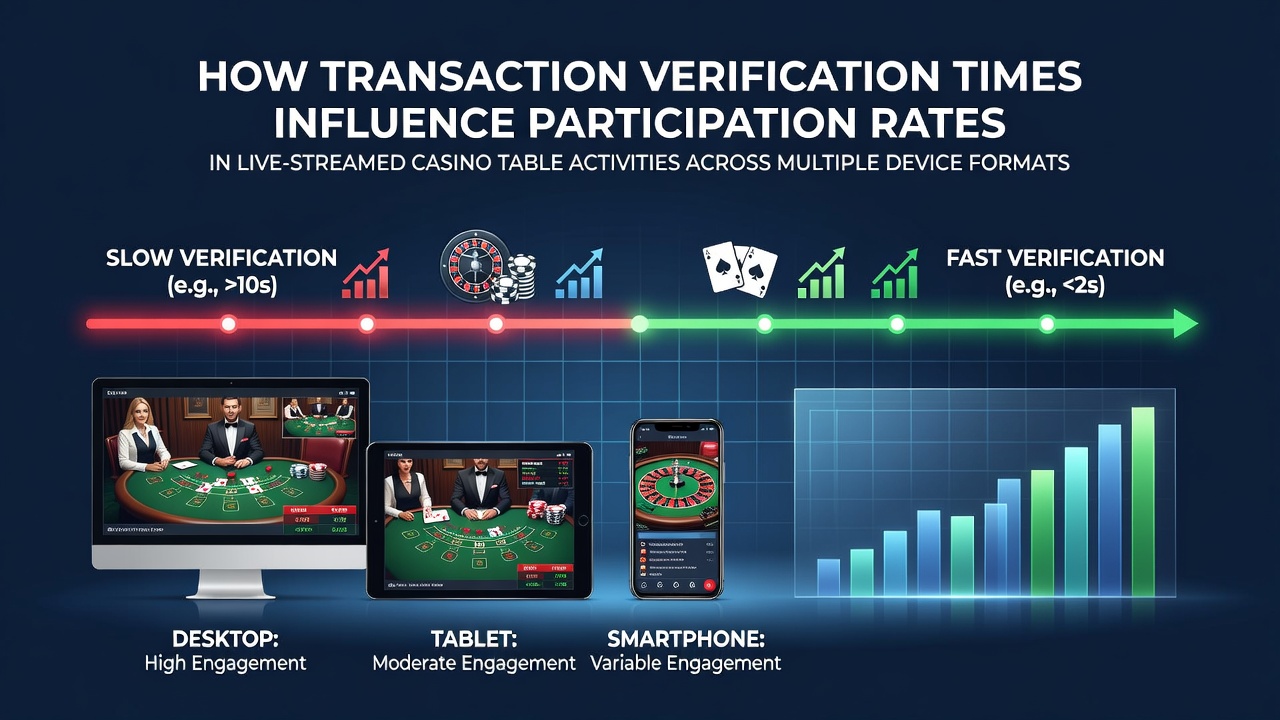
Smartphone users encounter verification flows that leverage biometric authentication or stored payment tokens, which often complete faster than manual entry on desktops. Tablet interfaces occupy an intermediate position, where screen size supports quicker input yet operating system restrictions sometimes extend processing. Observers at the Australian Gambling Research Centre note that Android devices processed live-table deposits 12 percent quicker on average than iOS devices during 2025 testing cycles, contributing to higher retention on those platforms for extended table sessions.
Desktop formats rely more heavily on browser-based security checks, and data shows participation dips when users must navigate additional verification pages mid-session. Cross-device tracking reveals that players who begin on mobile and switch to desktop experience compounded delays if verification resets, reducing overall table engagement by measurable margins. Industry statistics compiled in mid-2026 demonstrate that platforms offering seamless device handoff maintained steadier participation curves across formats.
Patterns Observed in Participation Data
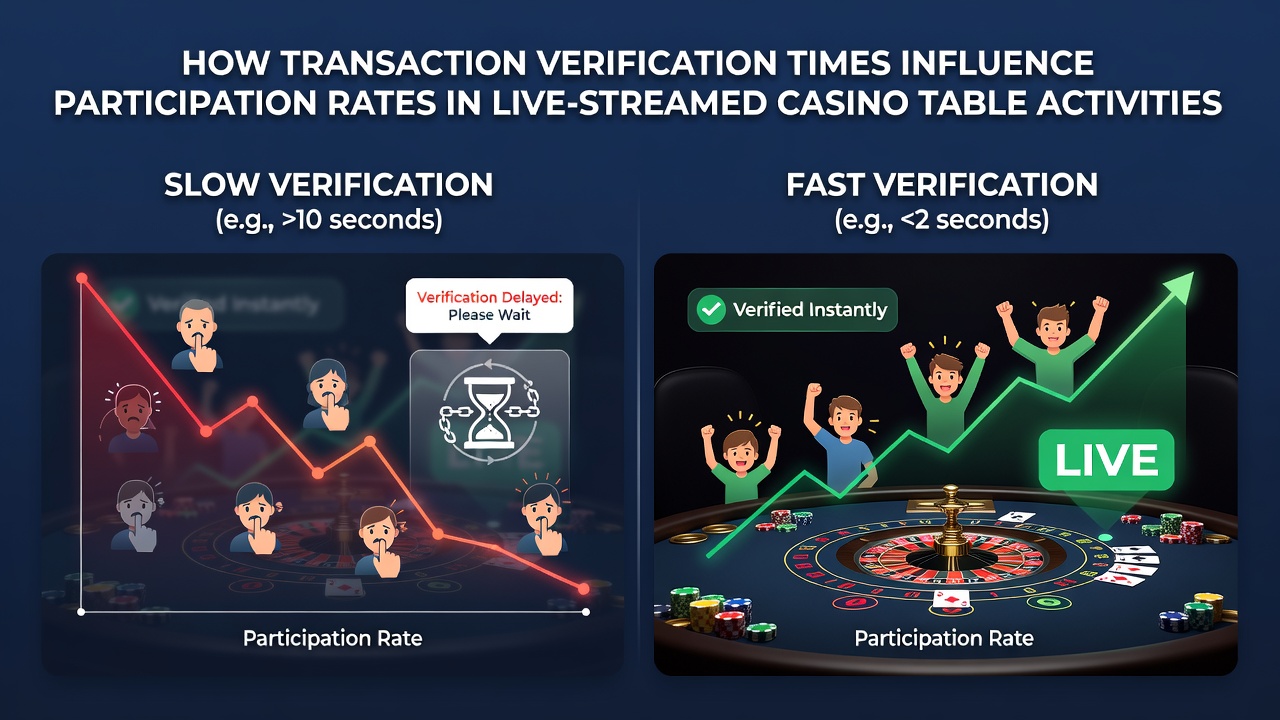
Multiple studies link verification speed directly to entry rates for live-streamed tables, with faster confirmation enabling players to join ongoing rounds without missing betting windows. Evidence from European markets compiled by the Malta Gaming Authority shows that operators reducing average verification from 90 seconds to 20 seconds recorded participation increases of up to 28 percent during evening hours. Conversely, slower systems saw users migrate toward automated table games or exit the platform entirely.
August 2026 updates from state-level monitoring in Pennsylvania and Michigan reinforced these trends, indicating that mobile-first verification improvements lifted live table activity by double-digit percentages year over year. Desktop participation remained flatter unless operators introduced browser extensions that mirrored mobile token speeds. The ball remains in the operators' court to align verification methods across formats if consistent engagement remains the target.
Regional Regulatory Context and 2026 Developments
Regulatory frameworks in different jurisdictions set baseline requirements for verification speed and security, influencing how quickly platforms can adapt. Canadian provincial data and reports from the New Zealand Department of Internal Affairs both highlight that streamlined yet secure processes support sustained live-stream participation without compromising player protections. What's interesting is how these regional differences produce varied device adoption rates, with mobile dominance stronger in markets that prioritize rapid verification.
Academic analyses from university-affiliated gaming labs further quantify the relationship, showing that verification delays compound on lower-bandwidth connections common to certain tablet models. Participation metrics collected across 2025 and into 2026 demonstrate that platforms investing in device-optimized verification maintained higher average table occupancy rates, particularly during cross-time-zone peak periods.
Conclusion
Transaction verification times serve as a measurable factor in live-streamed casino table participation across device formats, with shorter intervals supporting steadier engagement on mobile, tablet, and desktop platforms alike. Data gathered through 2026 continues to illustrate these connections, guiding operators toward verification approaches that accommodate the distinct technical profiles of each device type while meeting regulatory standards in multiple regions.