Interface Design Patterns Guiding Discovery in Virtual Gaming Libraries
Written by Ellis Griffin · Jun 5, 2026
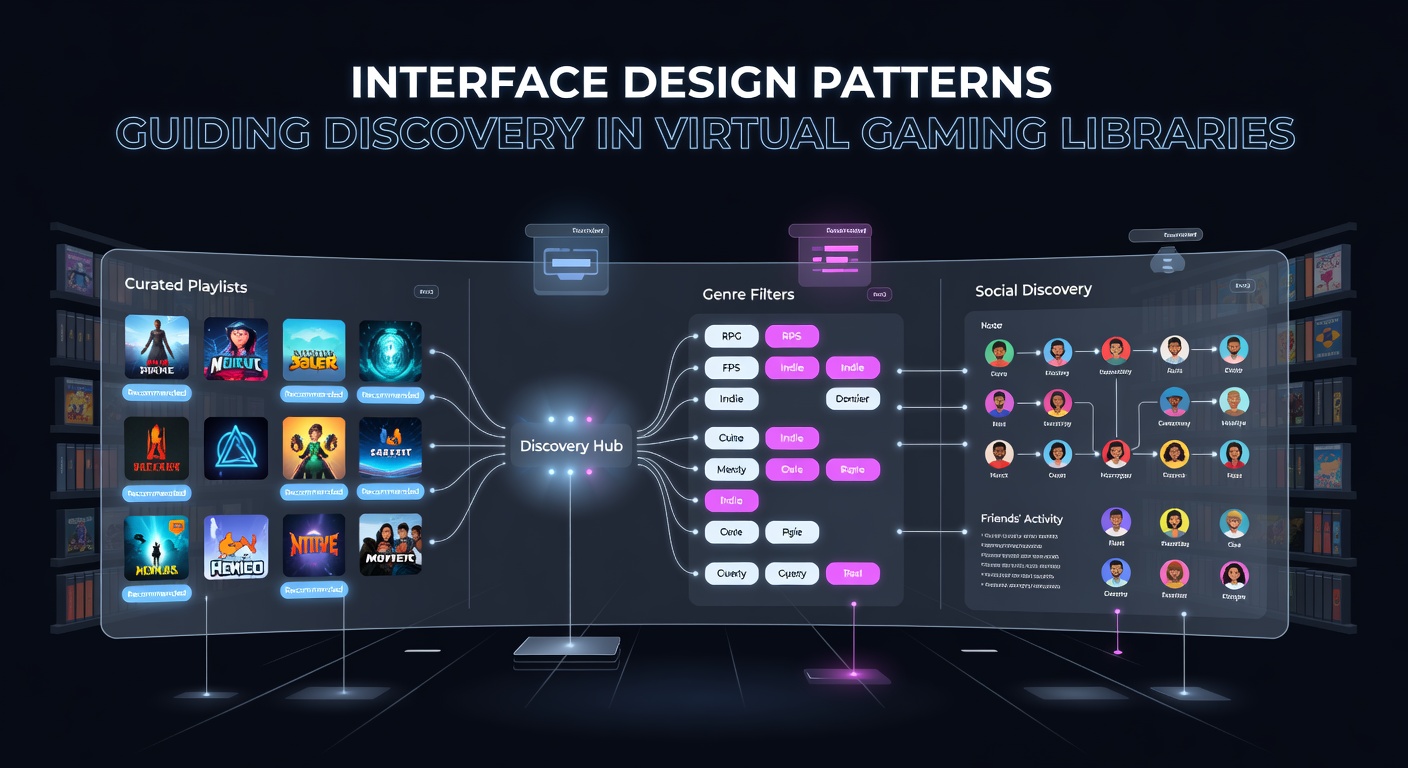
Interface Design Patterns Guiding Discovery in Virtual Gaming Libraries
Virtual gaming libraries rely on specific interface design patterns to help users locate titles amid expanding collections, and these patterns draw from established principles in information architecture while adapting to the fast-paced nature of digital entertainment platforms. Data from industry reports shows that effective discovery mechanisms increase user engagement metrics by directing attention toward relevant content without overwhelming the screen space.
Core Patterns in Library Navigation
Designers implement card-based layouts as a foundational pattern, where each game appears as a visual tile containing artwork, title, and key metadata like genre tags or player ratings, which allows quick scanning across large inventories. Researchers at institutions such as the University of Waterloo have documented how these cards reduce cognitive load by presenting information in consistent, predictable formats that users recognize from other digital environments. Combined with hover states that reveal additional details, the pattern supports both rapid browsing and deeper inspection in a single interaction flow.
Recommendation carousels represent another widely adopted approach, grouping titles by algorithmic signals including past play history, trending selections, and collaborative filtering results from similar user profiles. According to figures released by the Entertainment Software Association, platforms utilizing dynamic carousels report higher retention rates during peak usage periods, particularly when updates occur in real time based on session behavior. These elements often incorporate swipe gestures on mobile views to maintain momentum through suggested lists without requiring separate page loads.
Search and Filtering Mechanisms
Advanced search interfaces integrate faceted filtering systems that let users narrow options by multiple attributes simultaneously, such as volatility levels, thematic elements, or technical specifications like reel count in slot-style games. Studies indicate that combining text input with checkbox selections and slider controls creates more precise pathways through collections exceeding tens of thousands of entries, and this layered method prevents users from abandoning searches when initial results prove too broad. Platforms have refined these tools further by saving filter presets across sessions, which streamlines repeated visits.
Tag clouds and visual maps offer alternative discovery routes for users who prefer exploratory rather than targeted approaches, clustering related games through proximity on screen or shared visual attributes. One analysis from the Australian Interactive Media Industry Association highlights how color-coded tags help surface niche content that might otherwise remain buried in standard alphabetical listings, guiding players toward lesser-known releases through associative connections.
Personalization Layers and Adaptive Elements
Adaptive interfaces adjust displayed content according to time-of-day patterns, device type, and accumulated usage data, surfacing different discovery prompts during morning versus evening hours or on desktop versus handheld screens. Evidence from platform analytics demonstrates that such tailoring maintains relevance as user preferences evolve, with adjustments happening through background processes that avoid interrupting active play sessions. In June 2026, several major operators introduced synchronized updates across regional servers to align personalization rules more closely with emerging regulatory guidelines on data transparency.
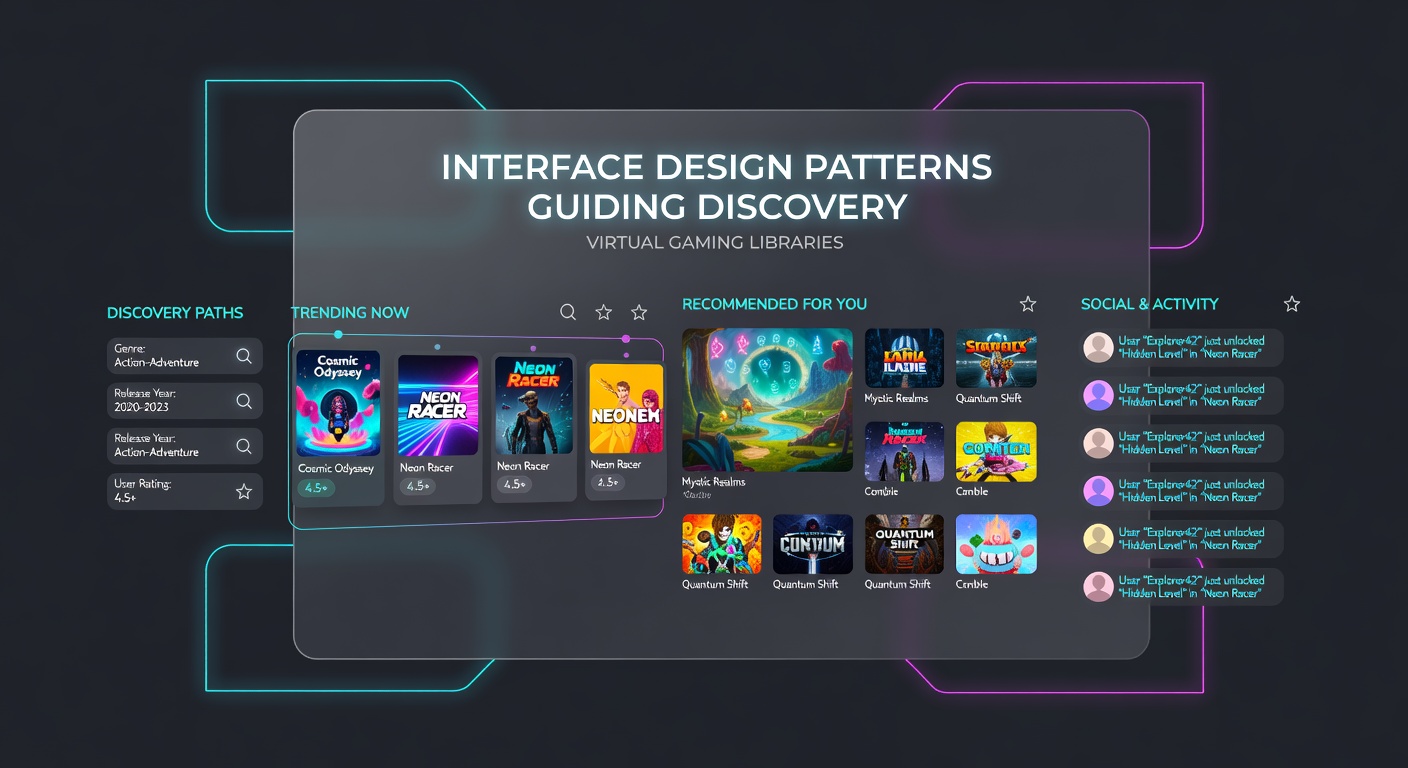
Progressive disclosure techniques hide advanced options behind expandable panels, revealing them only when users indicate interest through clicks or scrolls, which keeps primary views uncluttered while preserving access to granular controls. Observers note that this pattern proves especially useful in libraries hosting both casual and high-stakes titles, allowing different audience segments to navigate at their preferred depth without encountering irrelevant complexity upfront.
Integration with Broader Platform Features
Discovery patterns often connect directly to social and community elements, such as shared playlists or friend activity feeds that surface games currently popular within a user's network. This linkage turns individual browsing into a collective process, where external signals supplement algorithmic suggestions and encourage exploration beyond solitary preferences. Data indicates measurable upticks in cross-genre trials when these integrations appear prominently in the main library view.
Accessibility considerations shape many of these patterns, with high-contrast modes, keyboard navigation support, and screen-reader compatible labels ensuring broader participation across diverse user groups. Reports compiled by the International Game Developers Association emphasize ongoing refinements in this area, particularly as libraries incorporate more live-dealer and hybrid experiences that demand clear visual hierarchies for all participants.
Conclusion
Interface design patterns continue to evolve alongside technological capabilities in virtual gaming libraries, balancing efficiency with engagement through tested structures like cards, carousels, and faceted filters. As collections grow and user expectations rise, these mechanisms provide reliable pathways that maintain discoverability without sacrificing platform performance or clarity. Ongoing refinements, including those observed around mid-2026, reflect responses to both technical advancements and shifting regulatory landscapes across multiple jurisdictions.