Layered Incentive Programs and Transaction Method Choices in Ranked Virtual Casinos with Reels and Live Dealers
Written by Kai Werner · Aug 23, 2026
Layered Incentive Programs and Transaction Method Choices in Ranked Virtual Casinos with Reels and Live Dealers
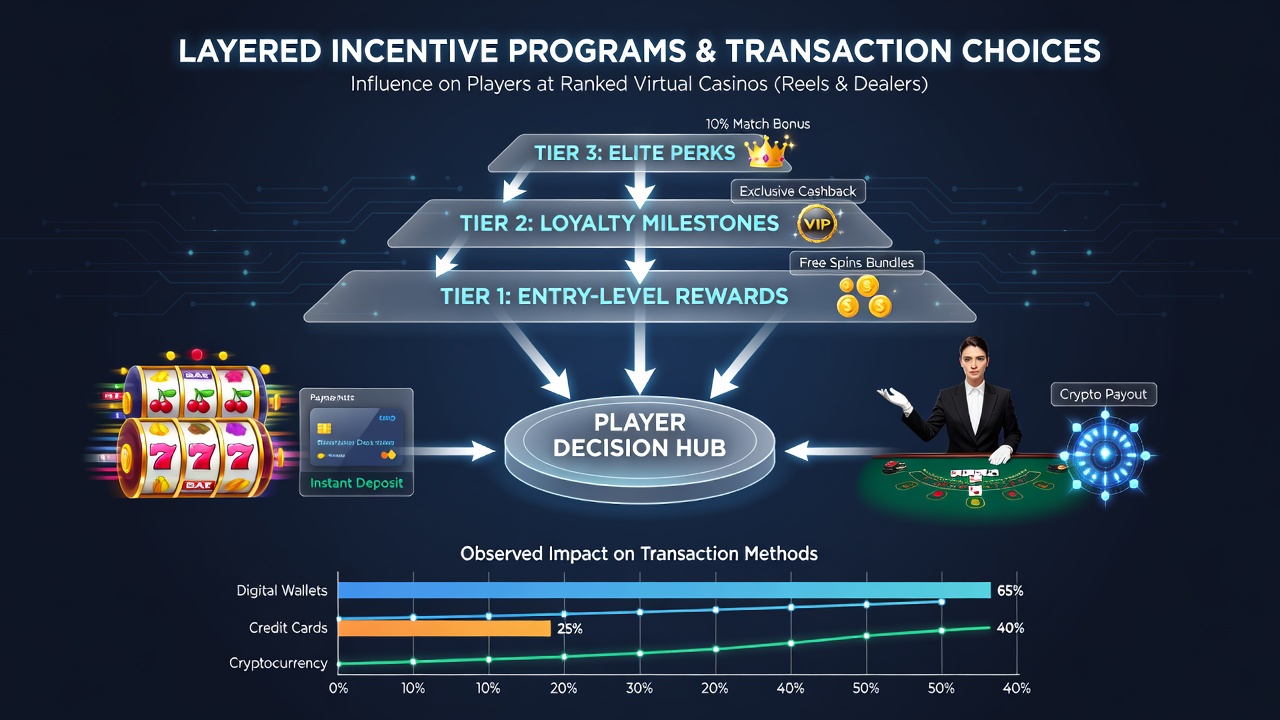
Ranked virtual casinos that combine reel-based slots with live dealer tables have developed layered incentive programs over recent years, and these structures now play a direct role in how players select their deposit and withdrawal methods. Data from industry tracking shows that participants often shift toward certain payment options once they reach specific loyalty tiers, because those levels tie extra rewards to particular transaction channels such as e-wallets, bank transfers, or digital currencies. Observers note that the combination of slots and dealer games creates distinct play patterns, with reel sessions typically requiring faster, smaller deposits while live tables encourage larger, scheduled transactions that align wth tier-based bonuses.
Structure of Layered Incentive Programs
Layered programs divide participants into multiple levels based on cumulative activity, and each tier grants escalating benefits that include deposit matches, cashback percentages, and withdrawal fee reductions. Research indicates that entry-level participants receive standard rewards across most payment methods, whereas mid-tier members unlock priority processing for specific options like prepaid cards or instant e-wallet transfers. Higher tiers frequently add exclusive perks such as increased limits on cryptocurrency deposits or reduced minimums for bank wire withdrawals, which encourages players to consolidate their activity around those channels. Figures from platform analytics reveal that players who advance through tiers tend to standardize on two or three preferred methods rather than experimenting across the full range available.
Common Transaction Methods in Hybrid Casinos
Virtual casinos featuring both reels and live dealers typically support credit and debit cards, various e-wallets, bank transfers, prepaid vouchers, and cryptocurrency options. Studies show that card payments remain the most common entry point for new accounts because of widespread acceptance, yet players often migrate to digital wallets or crypto once incentive layers activate additional value on those routes. Live dealer sections, which involve longer session times and higher average stakes, see greater use of methods that offer fee reductions at elevated tiers, while reel play correlates more closely with quick-load options that support frequent small transactions. As of August 2026, aggregated platform data continued to highlight this split in method usage between the two game formats.
Influence of Incentives on Payment Selection
Layered rewards create measurable shifts in transaction choices because many programs attach extra incentives directly to specific methods at each level. One example involves mid-tier players receiving bonus credits exclusively when depositing through designated e-wallets, which prompts a move away from cards once that threshold is reached. Higher tiers may further tie cashback rates to cryptocurrency withdrawals, leading participants to route larger live table winnings through those channels to maximize returns. Data indicates that players who maintain consistent activity across both reels and dealer tables adjust their primary methods more rapidly than those focused on a single format, since the combined volume accelerates tier progression and unlocks the associated payment-linked rewards. Reports from regulatory bodies in multiple regions document these patterns without attributing them to any single cause.
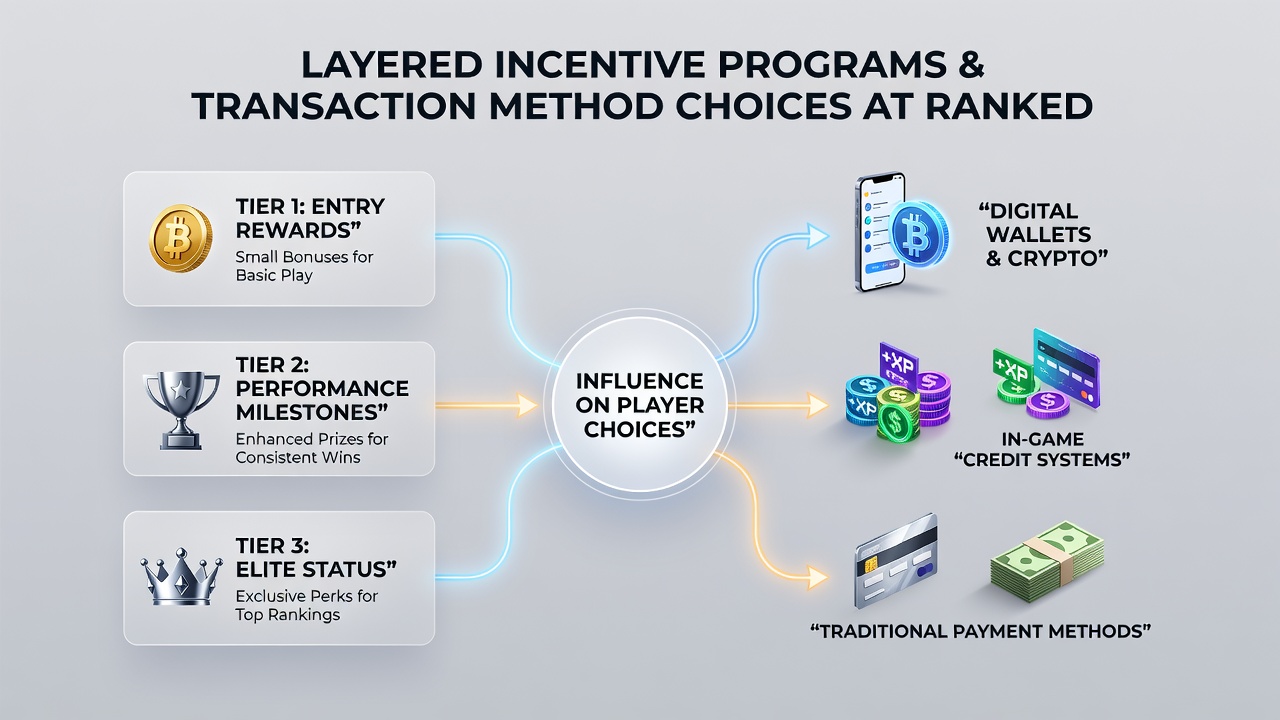
Platform operators structure these incentives so that method preferences become self-reinforcing, and participants who reach upper tiers rarely revert to earlier choices even when fees or processing times differ. Evidence from transaction logs demonstrates that once a player adopts a tier-favored option for deposits, withdrawal behavior follows the same pattern to maintain reward eligibility. This alignment appears across ranked sites regardless of whether the emphasis lies on high-volume reel sessions or extended live dealer rounds.
Regional Data Patterns and Industry Reports
Analysis from the iGaming Ontario shows steady growth in the proportion of players using tier-linked payment methods at hybrid platforms. Similar observations appear in reports issued by the American Gaming Association, which tracks how loyalty structures affect transaction flows across U.S.-facing virtual sites. These sources note that players in markets with mature tier systems demonstrate clearer preferences for methods that carry ongoing tier benefits compared with regions where such programs remain newer. The patterns hold whether participants engage primarily with reels, live tables, or both formats within the same session.
Conclusion
Layered incentive programs continue to guide transaction method selection at ranked virtual casinos that offer both reel and live dealer content, and available data confirms measurable movement toward methods that deliver tier-specific advantages. As platforms refine these structures, transaction patterns are expected to remain tied to the progression mechanics that connect game activity with payment rewards.