Mapping referral incentives: how tiered affiliate structures steer player traffic toward under-the-radar slot networks
Written by Kai Werner · May 29, 2026
Mapping referral incentives: how tiered affiliate structures steer player traffic toward under-the-radar slot networks
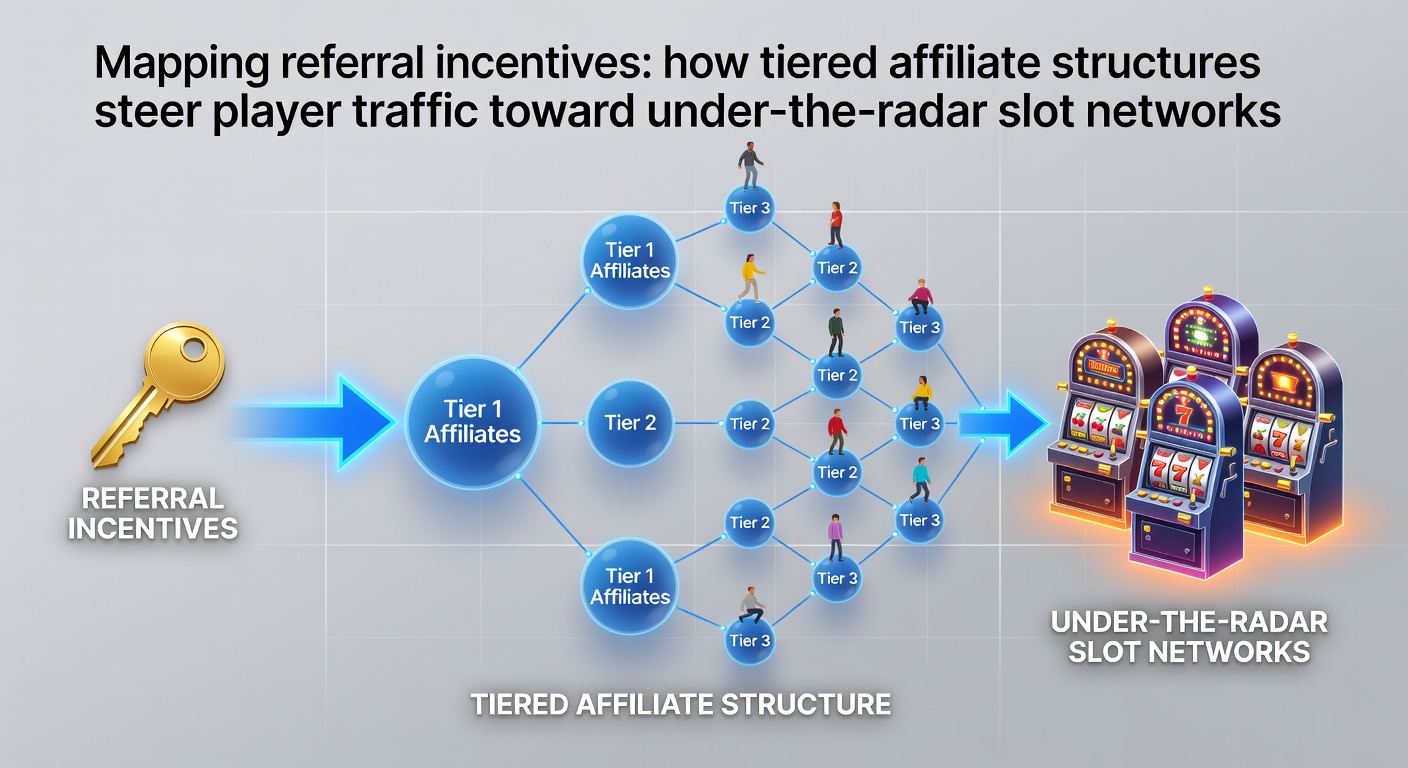
Tiered affiliate programs in the online gambling sector operate through graduated commission scales that reward volume and player retention, and these structures often channel traffic toward smaller slot networks that offer competitive payout rates to affiliates. Networks establish multiple levels where base commissions start around 25 percent of net revenue, yet climb to 40 percent or higher once certain thresholds are met, and this progression creates clear financial motivation for marketers to prioritize sites that unlock elevated tiers quickly.
How Commission Tiers Function in Practice
Affiliates typically begin at entry-level rates, yet they advance when referred players generate consistent deposits or activity over defined periods, and the acceleration encourages focus on networks that provide rapid tier progression rather than established platforms with slower payout structures. Under-the-radar operators frequently design their affiliate agreements around aggressive scaling, which includes retroactive bonuses for reaching higher brackets within the first quarter of partnership, and this approach allows emerging sites to capture marketing attention that larger brands might otherwise dominate through brand recognition alone.
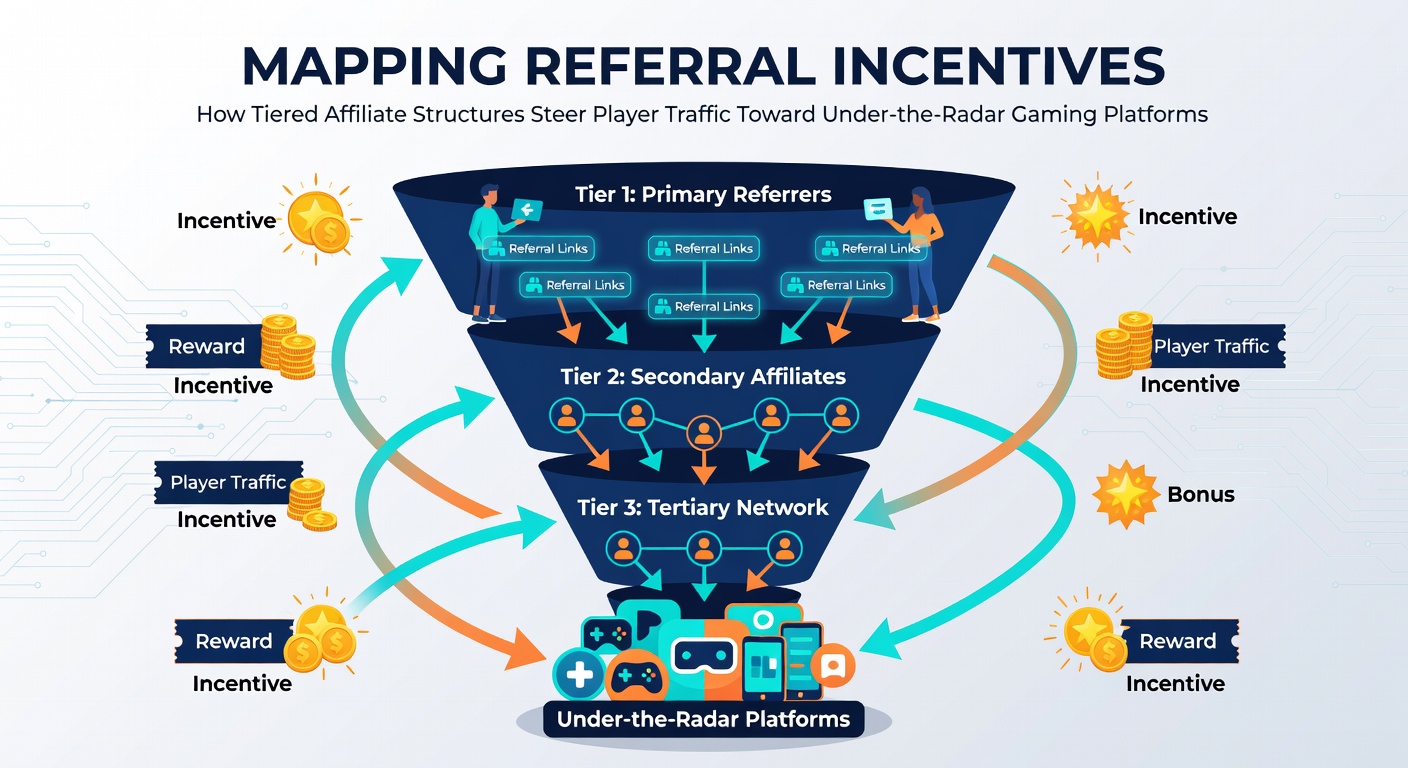
Payment models also incorporate hybrid elements such as cost-per-acquisition alongside revenue share, while sub-affiliate programs extend earnings upward through multiple layers, and these layers amplify the incentive to direct initial traffic toward networks that support extensive referral chains. Data from industry tracking services indicates that networks with three or more tiers see affiliate-driven sign-ups increase by measurable margins compared to flat-rate programs, particularly when those networks target mobile-first slot experiences.
Traffic Direction Patterns Across Emerging Platforms
Referral chains develop when affiliates identify networks that reward higher volumes with better terms, and this identification leads marketers to test lesser-known slot sites that deliver quicker returns on promotional efforts. Observers note that traffic often shifts toward platforms operating in jurisdictions with lighter regulatory overhead, because those environments permit more flexible bonus structures that translate into higher affiliate earnings. In May 2026, analysts tracking cross-border player movement reported increased activity on mid-tier networks that had recently introduced four-level commission ladders, and the patterns aligned with seasonal marketing pushes ahead of summer player surges.
Sub-affiliate recruitment adds another layer, as primary partners earn overrides on the commissions generated by their recruits, and this system multiplies the push toward networks willing to support large-scale recruitment campaigns. Smaller operators frequently provide dedicated account managers and real-time performance dashboards to affiliates, features that streamline optimization and further tilt promotional resources away from saturated markets.
Regulatory and Market Context
Regulatory bodies such as the New Jersey Division of Gaming Enforcement monitor affiliate activities within licensed markets, yet many tiered programs operate across multiple jurisdictions where oversight varies in intensity. Affiliates therefore map their efforts toward networks that balance compliance requirements with commission flexibility, and this mapping process favors sites that maintain transparent reporting while still offering competitive rates at upper tiers. Research from the European Gaming and Betting Association shows that affiliate-driven acquisition accounts for substantial portions of new player registrations at smaller operators, particularly when those operators focus on niche slot themes that appeal to segmented audiences.
Payment processing speed and bonus synchronization also influence direction, because networks that settle affiliate commissions within shorter timeframes reduce cash-flow friction and encourage sustained promotion. Those who've examined transaction data across platforms find that under-the-radar networks often match or exceed established sites in these operational areas, which reinforces the steering effect created by tiered structures.
Case Examples and Observed Shifts
One documented pattern involves affiliates who initially promoted mainstream casino brands yet gradually migrated portions of their traffic after unlocking higher tiers at specialized slot networks, and the migration occurred once volume thresholds triggered retroactive uplifts. Another example appears in mobile-focused campaigns where sub-affiliate teams concentrated on networks offering additional incentives for deposits made through specific e-wallet channels, and these campaigns produced measurable spikes in registrations at previously low-visibility platforms. Figures released by tracking firms reveal that networks entering the market with pre-built tier ladders achieved faster affiliate onboarding rates than those relying on standard revenue-share models alone.
Seasonal factors play a role as well, with increased activity noted around major sporting events when affiliates seek quick-conversion verticals, and slot networks positioned with aggressive tier incentives capture disproportionate shares of that temporary traffic surge. The mechanics remain consistent: higher tiers deliver proportionally larger returns, which in turn steer promotional budgets and creative resources toward the networks that provide them.
Conclusion
Tiered affiliate structures create measurable pathways that direct player traffic toward under-the-radar slot networks through scaled commission incentives, volume-based advancements, and layered sub-affiliate programs. These mechanisms operate within broader market dynamics that include regulatory variations across jurisdictions and operational advantages such as faster payments at emerging platforms. Data from multiple monitoring sources confirms that affiliates respond to the financial signals embedded in tier progression, resulting in sustained redirection of marketing efforts away from saturated environments. The patterns established in 2026 continue to illustrate how incentive mapping shapes acquisition flows within the digital slot sector.