Player Migration Patterns Between Regulated and Emerging Platforms Driven by Bonus Tier Variations
Written by Theo Koch · Jul 26, 2026
Player Migration Patterns Between Regulated and Emerging Platforms Driven by Bonus Tier Variations
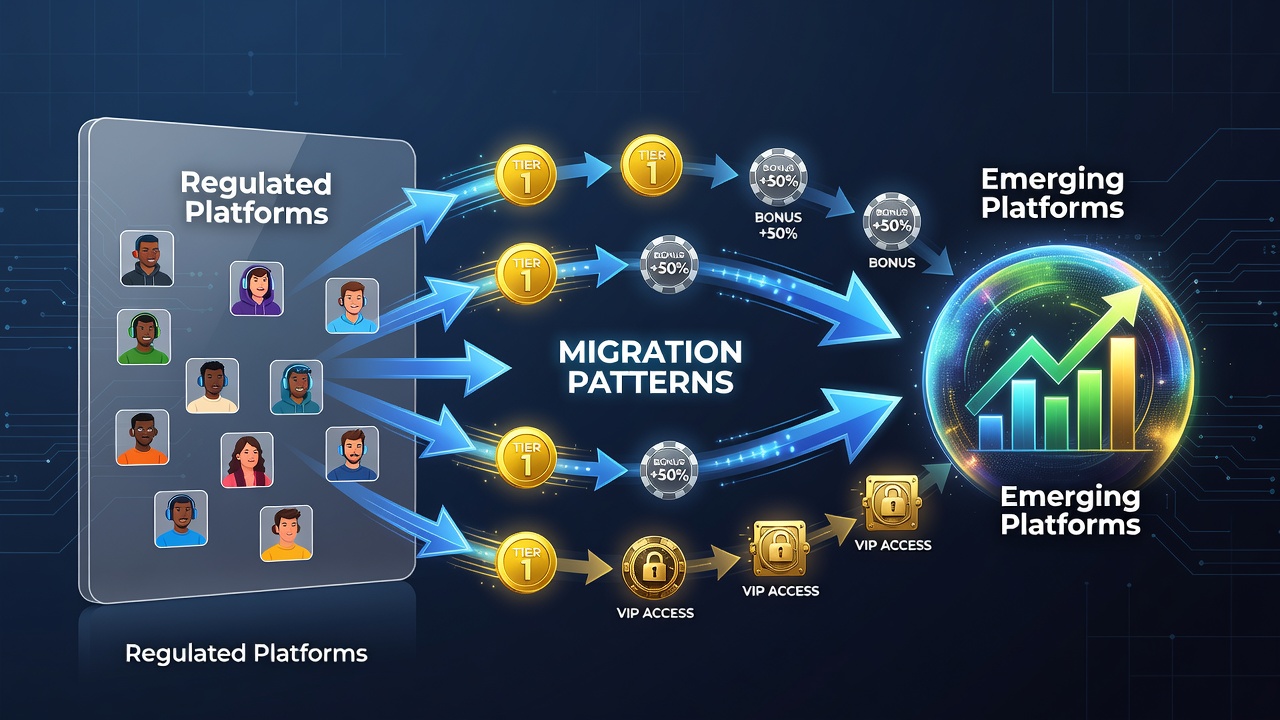
Player migration between regulated and emerging online platforms has followed distinct patterns tied closely to differences in bonus tier structures, with data from multiple industry monitoring services showing consistent shifts over recent years. Regulated markets often impose strict caps on promotional offers, whereas emerging platforms in less tightly controlled jurisdictions frequently introduce multi-level bonus systems that escalate rewards based on deposit volume and play frequency. These variations create measurable incentives for players to relocate their activity, and researchers tracking account registrations across borders have documented the resulting flows.
Defining Bonus Tier Structures in Different Market Environments
Bonus tiers typically progress from entry-level welcome packages to loyalty-based rewards that unlock higher match percentages, cashback rates, and exclusive event access as players accumulate activity. In regulated environments such as those overseen by the Malta Gaming Authority, tier progression faces limits on maximum bonus values and wagering requirements, which keeps the scale modest yet transparent. Emerging platforms operating from jurisdictions with lighter oversight often extend these tiers further, offering escalating benefits that include personalized reload bonuses and accelerated loyalty point multipliers once players cross certain spending thresholds.
Studies compiled by independent analytics firms reveal that players who reach mid-tier status on regulated sites frequently compare the next available rewards against offers from emerging operators, and many complete transfers when the projected return on the same deposit amount appears substantially higher elsewhere. This comparison process accelerates during periods when emerging platforms launch seasonal tier resets or limited-time elevation events that compress the usual progression timeline.
Observed Migration Flows and Timing Patterns
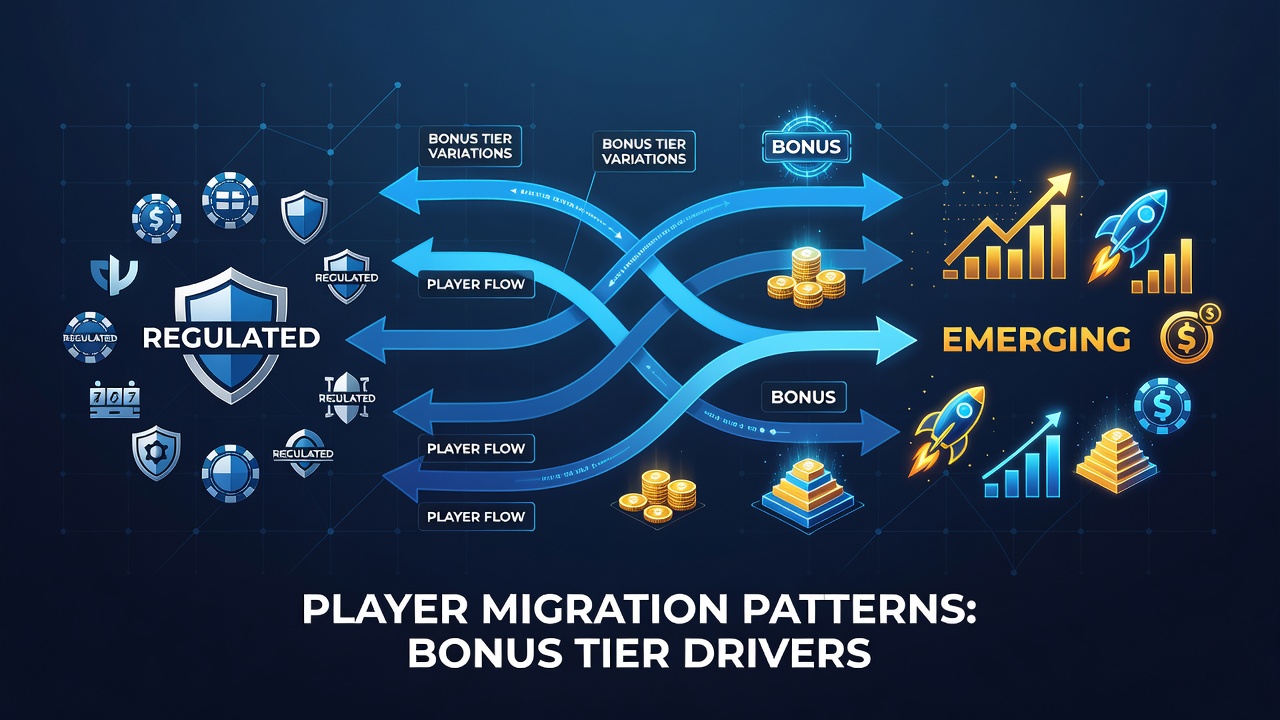
Tracking data collected through aggregated registration logs shows that movement from regulated to emerging platforms tends to peak after players exhaust the highest attainable bonus tier on their current site. Analysts at research organizations such as the American Gaming Association have noted that these transitions cluster around the end of calendar quarters, when loyalty programs issue final tier evaluations and players reassess long-term value. Conversely, reverse migration from emerging to regulated platforms occurs more often among players who encounter verification delays or withdrawal processing differences that outweigh the bonus advantages they initially sought.
By July 2026, several cross-platform monitoring services reported a stabilization in overall migration volume, yet the underlying driver remained consistent: players continued to weigh cumulative bonus value against regulatory protections when deciding where to concentrate activity. Those who maintained multiple accounts across both categories demonstrated the clearest preference for routing high-volume play toward whichever platform currently offered the most advantageous tier progression at that moment.
Factors Amplifying or Reducing Movement
Payment method availability and withdrawal speed interact with bonus tier differences to either accelerate or dampen migration. Emerging platforms that pair aggressive tier rewards with instant payout options draw players who prioritize liquidity, while regulated sites that emphasize slower but more secure processing retain those who value established consumer safeguards over immediate bonus uplift. Academic papers examining user behavior across digital gambling environments indicate that deposit size serves as a reliable predictor: larger depositors migrate more readily when tier differentials exceed a certain percentage threshold, whereas smaller-stake players tend to remain within regulated ecosystems even when emerging offers appear more generous.
Geographic access restrictions further shape these patterns. Players located in jurisdictions that permit only regulated operators sometimes route activity through emerging platforms via virtual private networks, creating secondary data trails that researchers use to estimate hidden migration volumes. Reports from the Australian Institute of Criminology highlight how such circumvention correlates strongly with awareness of tier-based reward gaps, particularly when emerging platforms market their bonuses through targeted affiliate channels that reach users already active on regulated sites.
Longer-Term Industry Implications
Platform operators on both sides of the regulatory spectrum have adjusted their tier designs in response to observed migration data. Regulated entities have introduced limited loyalty accelerators that stay within compliance boundaries, while certain emerging platforms have added verification layers to reduce friction that previously prompted reverse movement. These adaptations suggest that bonus tier variations will continue driving player decisions, yet the magnitude of each shift may moderate as the two categories converge on more competitive middle-ground structures.
Conclusion
Player migration patterns between regulated and emerging platforms remain closely linked to bonus tier variations, with registration and activity data confirming that reward differentials consistently influence relocation decisions. As markets evolve and operators refine their offerings, these flows are expected to persist in measurable cycles tied to tier evaluation periods and promotional calendars. Observers monitoring cross-border trends note that understanding these mechanics provides clearer insight into how players allocate activity across the expanding range of available platforms.