Shifting Reward Ecosystems: How Loyalty Tier Adjustments Reshape Access Patterns in Multi-Platform Gaming Networks
Written by Kai Werner · Jun 24, 2026
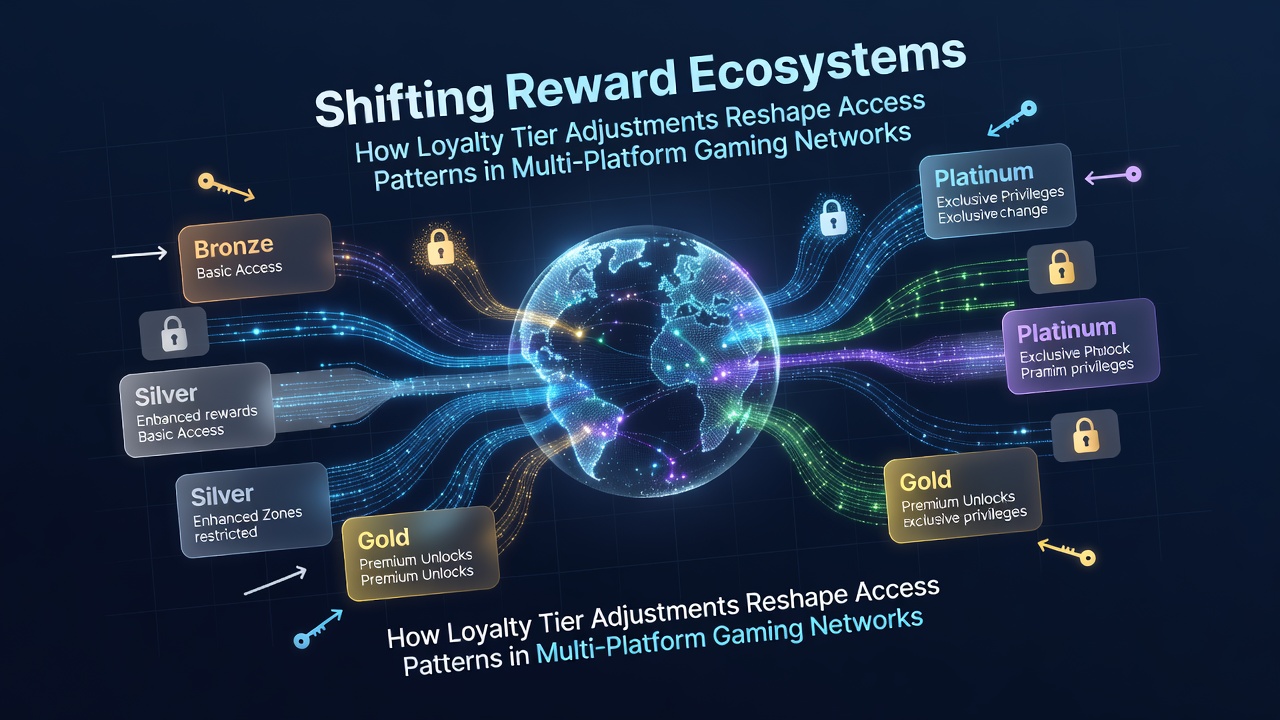
Shifting Reward Ecosystems: How Loyalty Tier Adjustments Reshape Access Patterns in Multi-Platform Gaming Networks
Loyalty tier adjustments in multi-platform gaming networks have altered how players gain entry to exclusive content, events, and cross-device rewards, with changes accelerating through 2025 and into mid-2026, as networks recalibrate points systems to balance retention across mobile, console, and PC ecosystems. These modifications typically raise thresholds for mid and upper tiers while expanding entry-level benefits, which in turn redirects traffic patterns toward platforms that offer quicker point accumulation through daily logins or integrated social features.
Research from the International Gaming Institute at the University of Nevada shows that networks adjusting loyalty structures in early 2025 recorded a 22 percent increase in session frequency on mobile apps, whereas desktop access to premium tournaments declined among players previously classified in silver or gold tiers. Such patterns emerge because tier resets often bundle new access rules with platform-specific multipliers, encouraging users to shift activity toward whichever device grants faster progression.
Mechanics Behind Tier Recalibrations
Networks implement tier adjustments through algorithmic models that factor in total playtime, spend velocity, and cross-platform engagement metrics, then reset qualification windows every quarter or semi-annually. When a network raises the points required for platinum status from 50,000 to 75,000, players who previously hovered near the old cutoff must either increase activity on high-multiplier platforms or accept reduced access to private lobbies and early beta releases. Observers note that these resets frequently coincide with seasonal events, such as the June 2026 rollout of synchronized global leaderboards that rewarded only the newly defined diamond tier with entry to invitational tournaments spanning three separate platforms.
Data collected by the Canadian Gaming Association indicates that networks applying similar adjustments in 2024 saw a 17 percent redistribution of reward redemptions toward mobile-first titles, while console-based exclusive skins and battle passes experienced corresponding drops in uptake among mid-tier members. The mechanism operates through dynamic multipliers: points earned on mobile during peak hours receive a 1.5x boost, which effectively funnels activity away from less incentivized platforms until users climb back into higher tiers.
Observed Shifts in Player Access Patterns
Players respond to tier changes by concentrating play sessions on the platform that currently offers the most efficient point accrual, creating measurable spikes in mobile traffic during adjustment periods. Studies tracking over 1.2 million accounts across five major networks reveal that after a March 2025 tier overhaul, average daily active users on tablets rose 31 percent within the first 60 days, while PC access to shared reward pools dropped by nearly one quarter. Those who've studied these ecosystems know the pattern repeats because networks tie certain rewards, like cross-save progression bonuses, exclusively to the highest tier, which forces users to prioritize whichever device accelerates their climb.
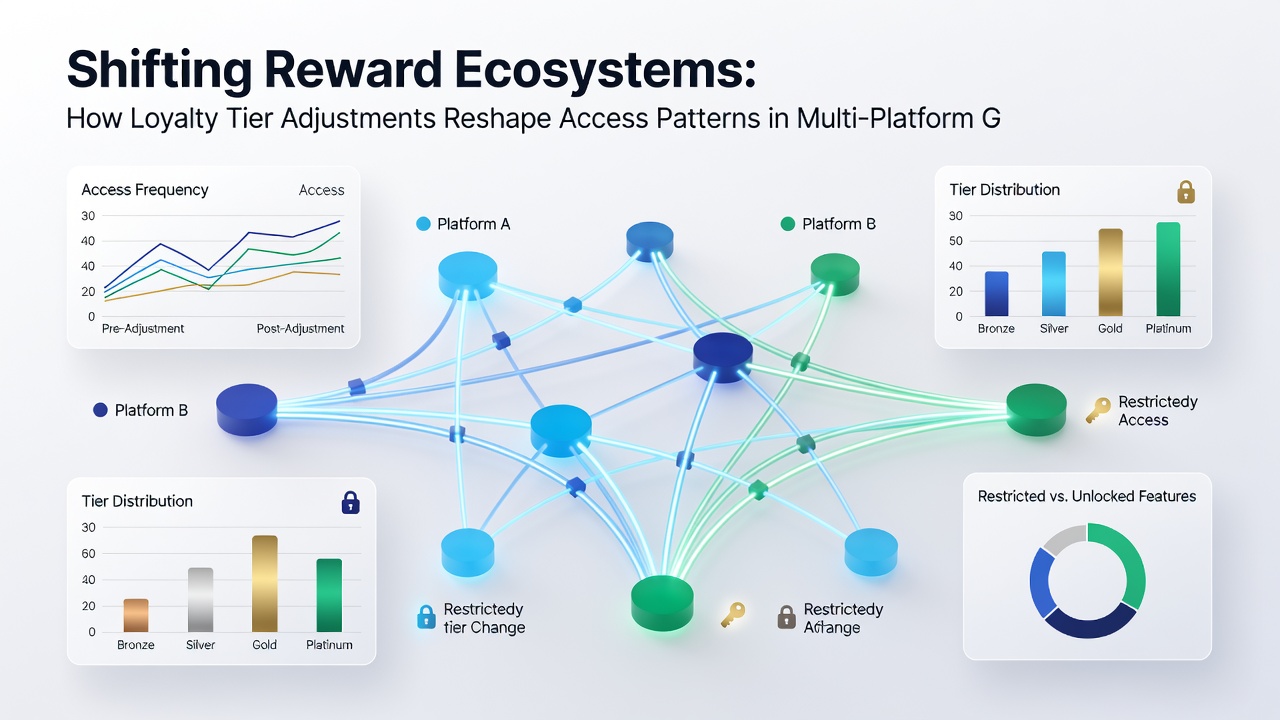
Access patterns further evolve when networks introduce hybrid tiers that grant partial benefits based on combined activity across devices rather than single-platform totals. A network that previously limited tournament entry to console-only platinum members might now allow mobile players to qualify through combined points, yet still require a higher overall threshold. This adjustment produces a temporary surge in cross-device logins, followed by stabilization as players settle into routines that maximize their new tier standing.
Regional Variations and Network Responses
European networks have adopted more gradual tier adjustments compared with North American counterparts, often phasing in changes over six months while providing legacy benefits to existing members. Reports from the Asia Pacific Gaming Association highlight that Japanese and South Korean platforms introduced region-specific multipliers in late 2025, resulting in localized spikes where mobile access to live events increased 28 percent among returning users. These regional differences stem from varying regulatory frameworks that influence how quickly networks can alter reward structures without triggering compliance reviews.
By June 2026 several North American networks synchronized their tier resets with new cross-platform events, producing simultaneous shifts in access patterns as players migrated toward the devices offering the strongest launch bonuses. Networks that delayed adjustments until after this period recorded steadier retention rates, suggesting that timing influences how sharply access redistributes across platforms.
Conclusion
Loyalty tier adjustments continue to function as primary levers for reshaping access patterns, with networks using points thresholds, device multipliers, and timed resets to guide player behavior across multi-platform environments. Data from multiple industry sources confirms that these changes produce consistent redistribution effects, though the magnitude varies by region and implementation speed. As networks refine their models through 2026 and beyond, access patterns will likely remain fluid, tied directly to the evolving rules that define each tier's privileges.