Slot Makers Address Tariff Pressures During Las Vegas Industry Gathering
Written by Theo Koch · Jun 3, 2026
Slot Makers Address Tariff Pressures During Las Vegas Industry Gathering
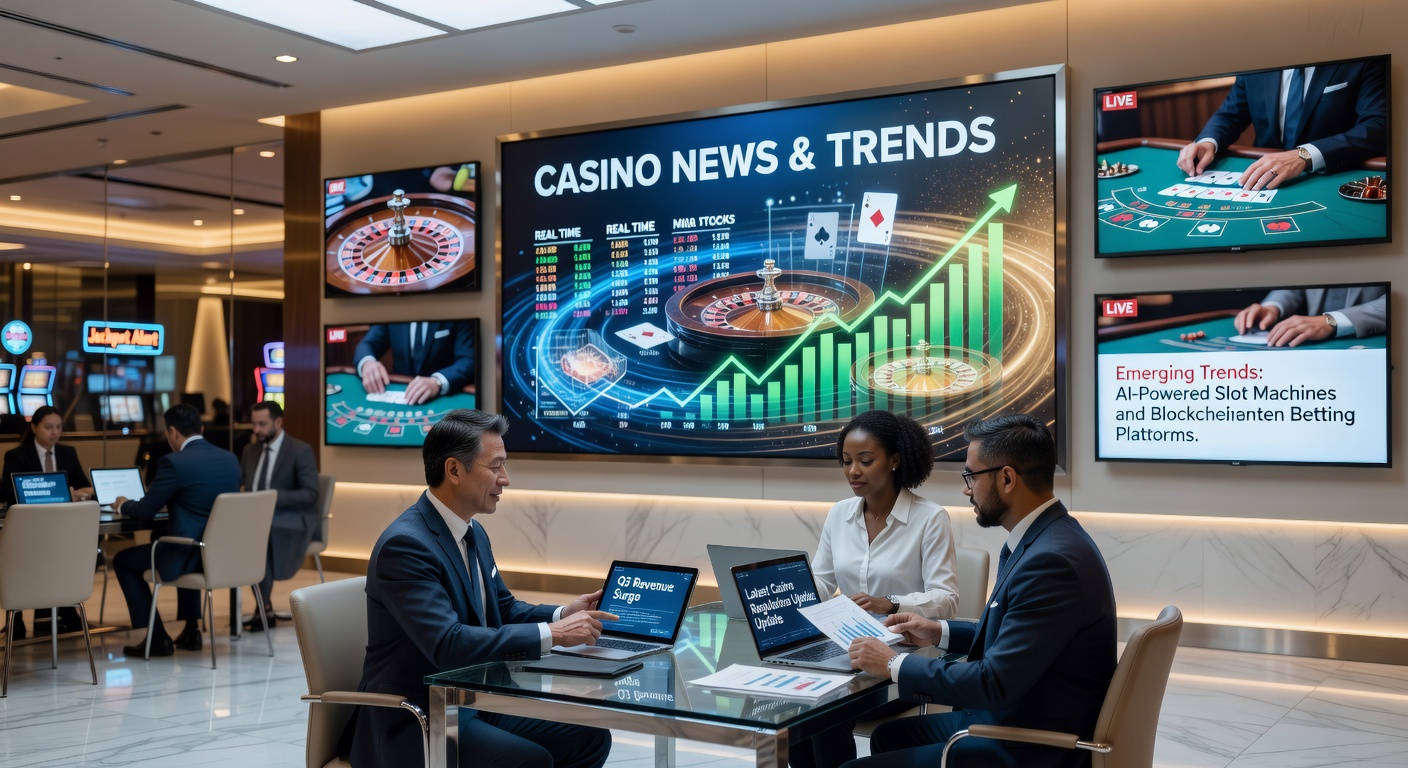
CEOs from Ainsworth Game Technology, AGS, and Konami gathered at a Las Vegas gaming conference to examine the effects of tariffs implemented under the previous administration, and these discussions highlighted temporary production relocations along with refund pursuits amid strict regulatory constraints that limit cost transfers to casino operators.
The tariffs, enacted over the preceding twelve months, triggered shifts in manufacturing locations toward Mexico and Canada while companies explored avenues for expense recovery through government channels or supplier negotiations, and the Supreme Court invalidated the worldwide tariffs in February 2026 after determining they surpassed executive powers outlined in the International Emergency Economic Powers Act.
Conference Focus on Operational Adjustments
Industry leaders outlined how the tariffs influenced supply chains for slot equipment, and executives described coordinated efforts to relocate certain assembly processes without disrupting delivery schedules to North American clients, while data presented at the event indicated that several firms completed initial moves within six months of the initial tariff announcements.
Representatives from the participating companies emphasized challenges in a sector governed by extensive licensing requirements, and these rules prevent manufacturers from simply adjusting prices for casino buyers, which forces internal efficiencies and alternative sourcing strategies instead.
Refund and Recovery Initiatives
Participants detailed ongoing applications for tariff refunds submitted to federal agencies, and parallel discussions with component vendors explored shared liability for duties paid on imported parts, while preliminary outcomes from similar claims in prior trade disputes suggested potential recovery rates between thirty and sixty percent depending on documentation quality.
One case highlighted by conference attendees involved a manufacturer that rerouted electronics shipments through Canadian facilities to qualify for duty exemptions, and follow-up audits confirmed compliance with updated trade protocols that took effect after the tariff implementation.
Regulatory Environment Constraints
The highly regulated nature of gaming equipment sales means manufacturers operate under multi-state approvals that fix pricing structures for extended periods, and this framework leaves limited flexibility when external costs arise from trade policies, according to statements from the assembled executives.
Observers at the conference noted that firms have increased investments in domestic component sourcing to reduce future exposure, and preliminary figures shared during sessions showed a fifteen percent rise in North American supplier contracts among the represented companies since the tariffs began.
Supreme Court Ruling Context
The February 2026 decision by the Supreme Court addressed the scope of executive authority under the International Emergency Economic Powers Act, and this ruling directly affected the continuation of the global tariff measures that had impacted gaming hardware imports, while legal analysts tracking the case reported subsequent guidance from the U.S. Trade Representative on revised compliance procedures.
Conference sessions addressed how the invalidation might influence pending refund claims, and representatives indicated that updated filing deadlines had been circulated to affected parties through industry associations in the months following the court action.
Broader Industry Responses
Additional manufacturers beyond the three highlighted firms participated in related panels, and they described similar patterns of production adjustments along with collaborative efforts to monitor regulatory changes across jurisdictions, while trade data referenced during the event pointed to a measurable dip in direct imports from certain Asian facilities during the tariff period.
Executives also covered the timeline for returning operations to pre-tariff configurations, and several projected partial reversals of relocation measures by late 2026 once new sourcing networks stabilize.
Conclusion
The Las Vegas discussions provided a platform for slot manufacturers to exchange practical approaches to tariff-related disruptions, and the combination of manufacturing shifts, refund pursuits, and regulatory limitations formed the core of the dialogue, while the Supreme Court ruling in February 2026 introduced a new variable for ongoing compliance planning.
Those who attended reported continued monitoring of trade policy developments through established industry channels, and the event underscored the interconnected nature of global supply chains within the tightly controlled gaming equipment sector.